
 English
  Türkçe
  Français
The bite of our teeth and the positions determined by our bite directly affect our skeletal system. Our ideal bite is a structure where our upper jaw is slightly forward, our lower jaw is just below our upper teeth, and our lower jaw is in direct contact with our upper jaw.
Our skeletal system is the most important element that determines our posture. The way our teeth close affects the appearance of our face. If we have a single-sided tooth loss, there will automatically be an asymmetry in our face. People actually feel and see this and say, my face is shifting to the right or my jaw is crooked.
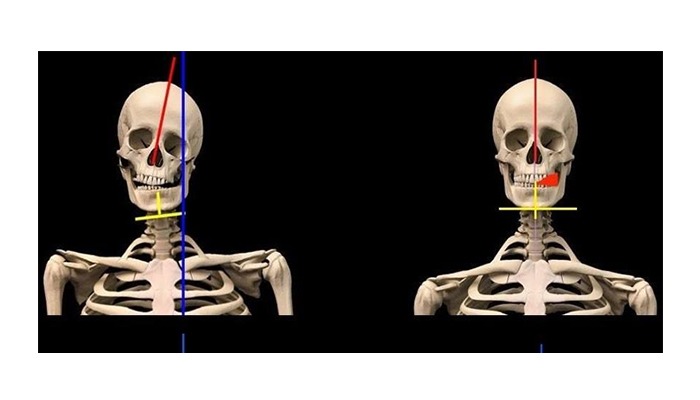
WHY DOES OUR FACE LOOK SHARP?
Because each tooth is used by a muscle system for the production process, that is, think of it like a machine, muscles perform the chewing process by moving the tooth. The working muscle side is more prominent, the muscle side that is not working is more sunken. This automatically affects the symmetry of the face. As a result of this effect, the jaw looks crooked or the face looks like it is shifting to one side. This asymmetry causes deep wrinkles and asymmetries as we age, especially after the age of 35, that is, with the age of our collagen structure being replaced again. If a person has an asymmetrical face, they should definitely review their dental structure.
DO PEOPLE WITH ASYMMETRIC FACE STRUCTURE ALSO HAVE ASYMMETRY IN THEIR HEAD, NECK AND WAIST REGIONS?
It is possible to understand and detect this with an x-ray examination and hand examination. Since it is understood that sports and body structure can be shaped with sports, posture disorders are seen as a disorder that needs to be resolved by the person.
For this reason, it is necessary to know that this disorder, which needs to be treated, can be put in order by reviewing and resolving the entire skeletal system. In other words, this problem should also be addressed by a dentist.
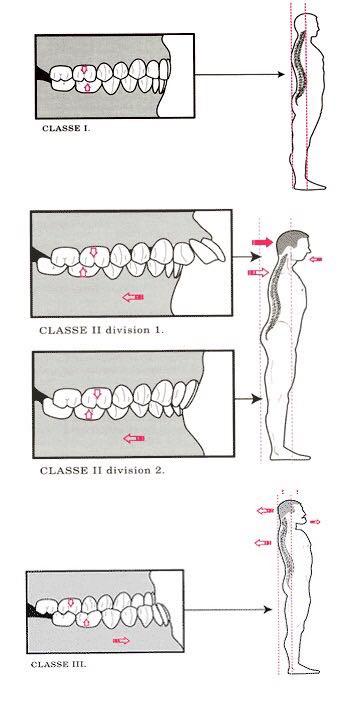
DOES OUR SKELETON BEND IF A SINGLE TOOTH IS MISSING?
When there is a one-sided tooth loss and the area where that tooth is located is not chewed, the contribution of chewing to the body will be eliminated.
Namely, the contact of the teeth with each other during chewing sends an impulse to the brain. And as a result of this impulse, for example, when chewing on the right side, this lobe of the brain works, but not when chewing on the left side, this lobe works in the same way.
During this work, there is a balance between the right and left brain, that is, when we chew on both sides and the contact of our teeth is in the ideal position, a balanced impulse is sent to our brain.
One-sided chewing is a factor that disrupts this balance. MANY PHYSIOTHERAPISTS NOW detect and solve this problem.
For this reason, the position of the teeth in relation to each other is not always an aesthetic problem but also a skeletal problem that also concerns posture. And in this sense, if there is a skeletal problem, it should be addressed holistically.
Dr. Güzin Kırsaçlıoğlu


 by
by