
 English
  Türkçe
  Français
Teething in babies is an important phase in their first years. This phase usually starts from the sixth month and continues until the age of three. During this period, discomfort in babies' gums causes them to cry more often and become restless.
The most important point to remember is this: Every baby experiences this period differently and it is important for parents to be patient and seek professional help if necessary.
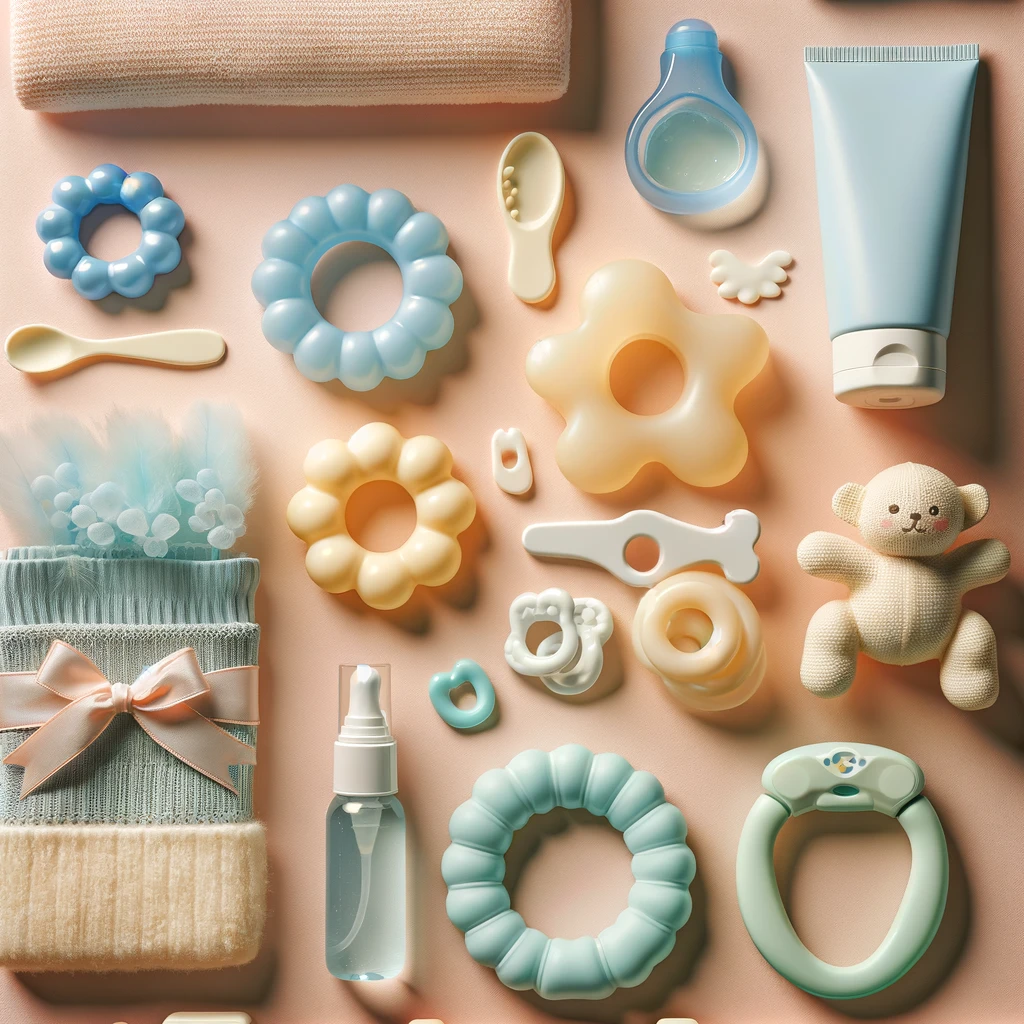
Teething Symptoms and General Characteristics of the Process
The teething process in babies, It is experienced differently by each baby. During this phase, discomfort in babies' gums leads to changes in their sleep patterns and a decrease in their appetite. The most obvious signs of teething are increased drooling, redness on the cheeks and a tendency to bite. Parents should provide extra comfort and support to their babies during this process. This is the only thing that will help them get through this natural but sometimes difficult phase more comfortably.
The teething process in babies usually begins between 6 months and 1 year of age and is completed at approximately 2.5 to 3 years of age. The first teeth to appear are usually the lower central incisors. Symptoms of teething include:
- Increased salivation
- Redness and rashes on the cheeks
- Tearing and redness of the eyes
- Itchy gums
- Don't bite anything and put it in your mouth.
- Fever, restlessness and loss of appetite
- Weight loss, diarrhea and sleep disturbances
These symptoms may start 4-5 days before the teeth appear.
How to Comfort Your Baby During Teething?
You can use the following methods to comfort your baby during the teething period:
- Gum Massage: With clean hands, gently massage your baby's gums.
- Cool Teethers: Chill plastic or silicone teethers in the refrigerator and give them to your baby.
- Cold Finger Foods: Offer hard finger foods that your baby can't bite off cold.
Get advice from your dentist or pediatrician for painkillers and fever-reducing syrups. Also, be sure to consult your doctor for gel and tablet use. Remember, amber necklaces are not recommended due to the risks of breaking and swallowing. Most importantly, if you see a problem during teething or by contacting your pediatric dentist, you can ensure that your baby has healthy teeth.


 by
by