
 English
  Türkçe
  Français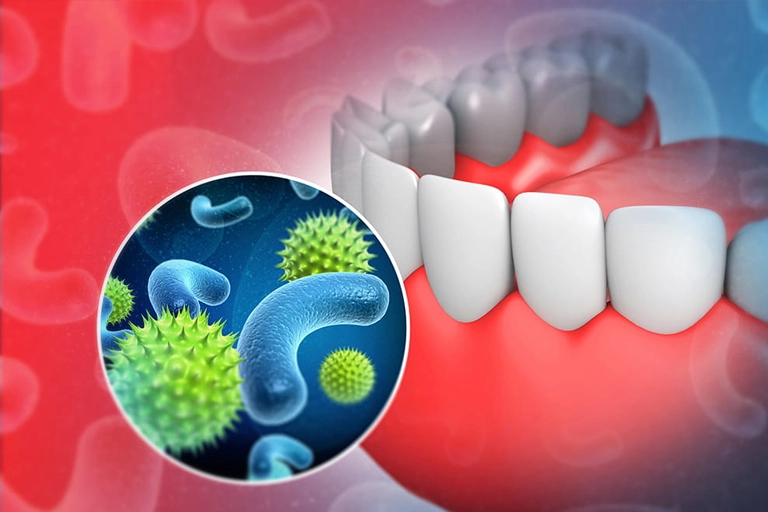
The human body is a complex ecosystem teeming with trillions of microorganisms. One of the most important parts of this ecosystem is the oral microbiome. While many people associate bacteria solely with disease, numerous beneficial microorganisms living in the mouth help maintain the balance of the immune system. A healthy oral microbiome not only protects teeth but also silently supports the body's defense mechanisms.
What is the Oral Microbiome and Why is it Important?
The oral microbiome consists of hundreds of different types of bacteria that live on the tongue, teeth, gums, and saliva. When these microorganisms maintain a balance, they prevent the proliferation of harmful bacteria and protect the health of oral tissues.
However, factors such as poor oral hygiene, irregular diet, smoking, or intense stress can disrupt this balance. When harmful bacteria become dominant, it leads to problems like cavities, gum disease, and bad breath, while also causing the immune system to remain constantly on alert. In the long term, this can increase the risk of chronic inflammation in the body.
Strong Connection with the Immune System
The mouth is one of the first points of contact for microorganisms entering the body. Therefore, the immune system closely monitors developments within the mouth. A healthy microbiome limits the proliferation of harmful pathogens, preventing the immune system from having to work unnecessarily.
When this balance is disrupted, inflammation can occur in the gum tissues, and bacteria can enter the bloodstream. This is associated with cardiovascular diseases, difficulty controlling diabetes, and some respiratory infections. In other words, invisible changes in the mouth can have noticeable consequences in different parts of the body.
Daily Habits to Protect the Microbiome
Supporting your oral microbiome isn't complicated; it requires consistent habits. Brushing your teeth twice a day with the correct technique and flossing are the most basic ways to reduce the buildup of harmful bacteria. Alcohol-free, balanced mouthwashes can also help maintain microbial balance.
Dietary habits are also of great importance. Excessive sugar consumption feeds harmful bacteria, while fibrous vegetables, fermented foods, and adequate water intake contribute to balancing the oral environment. In addition, regular dental check-ups make it possible to detect problems that disrupt the microbiome balance early.
This text is intended to provide general information. The appropriate treatment method for each patient may vary, and therefore, a dentist who is an expert in the field should be consulted. Before making any decision regarding dental health, it is of great importance that you have a detailed examination and consultation with your physician. These articles are for informational purposes only and are not intended to replace professional medical advice.


 by
by