
 English
  Türkçe
  Français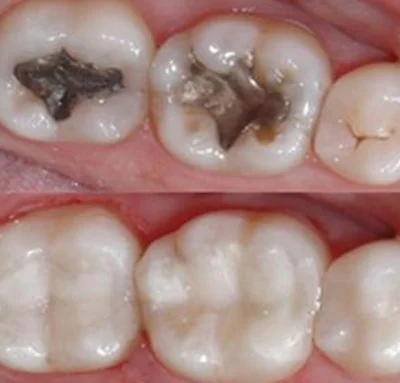
Amalgam fillings have been a popular choice in dentistry for many years due to their durability. These silver-colored fillings are composed of a combination of metals such as mercury, silver, copper, and tin. However, nowadays, many people want to have their amalgam fillings replaced due to aesthetic concerns, material preferences, and individual sensitivities. The most important issue in this process is ensuring that the amalgam filling removal is performed safely and in a controlled manner.
Although removing amalgam fillings may seem like a simple procedure, it can pose risks to both the patient and the dentist if the correct techniques are not used. Therefore, the procedure must be performed by an experienced dentist.
Why are amalgam fillings removed?
One of the most common reasons for amalgam filling removal is aesthetic concerns. Silver-colored fillings can be aesthetically bothersome, especially when located in front teeth or along the smile line. Therefore, many people prefer to switch to composite or porcelain fillings that match their tooth color.
Another reason is that the filling may wear down or leak over time. Old amalgam fillings can lose their fit with the tooth over the years, creating a breeding ground for cavities. In such a case, the filling needs to be replaced.
Some individuals wish to replace amalgam fillings due to their mercury content. Although amalgam fillings are scientifically considered safe when properly applied, removal may be necessary due to sensitivity or personal preference.
How to Safely Remove Amalgam Fillings?
The most important aspect of amalgam removal is controlling any particles that may be released during the procedure. Therefore, special isolation techniques are used. A protective covering called a rubber dam is used to isolate the tooth and prevent the patient from swallowing or inhaling filling particles.
In addition, high-vacuum aspirators are used to remove the vapors and particles produced. Cooling with plenty of water during the procedure both protects the tooth tissue and reduces the amount of particles that may be released.
The filling is removed in large pieces, rather than breaking it into smaller fragments as much as possible. This technique shortens the procedure time and minimizes exposure. The tooth surface is then cleaned, and the restoration is completed with new filling material.
Things to Consider After Disassembly
After the amalgam filling is removed, the tooth's condition is assessed and it is reconstructed with a suitable filling material. Composite (white filling) or porcelain options are usually preferred.
Mild sensitivity may occur after the procedure, but this usually subsides quickly. Following your dentist's recommended aftercare instructions will speed up the healing process.
Regular oral hygiene and dental check-ups will ensure the longevity of your new filling. It's also recommended to avoid very hard foods and extremely hot or cold foods in the first few days after the procedure.
Amalgam filling removal is a safe procedure when performed with the correct techniques and appropriate equipment. It is an effective option for individuals who want to switch to more modern solutions, both aesthetically and functionally.
With careful planning and expert application, you can safely renew your amalgam fillings and achieve a more natural and aesthetically pleasing smile. It's important to remember that every treatment is personalized, and the best decision should be made after an assessment by your dentist.
This text is intended to provide general information. The appropriate treatment method for each patient may vary, and therefore, a dentist who is an expert in the field should be consulted. Before making any decision regarding dental health, it is of great importance that you have a detailed examination and consultation with your physician. These articles are for informational purposes only and are not intended to replace professional medical advice.


 by
by