
 English
  Türkçe
  Français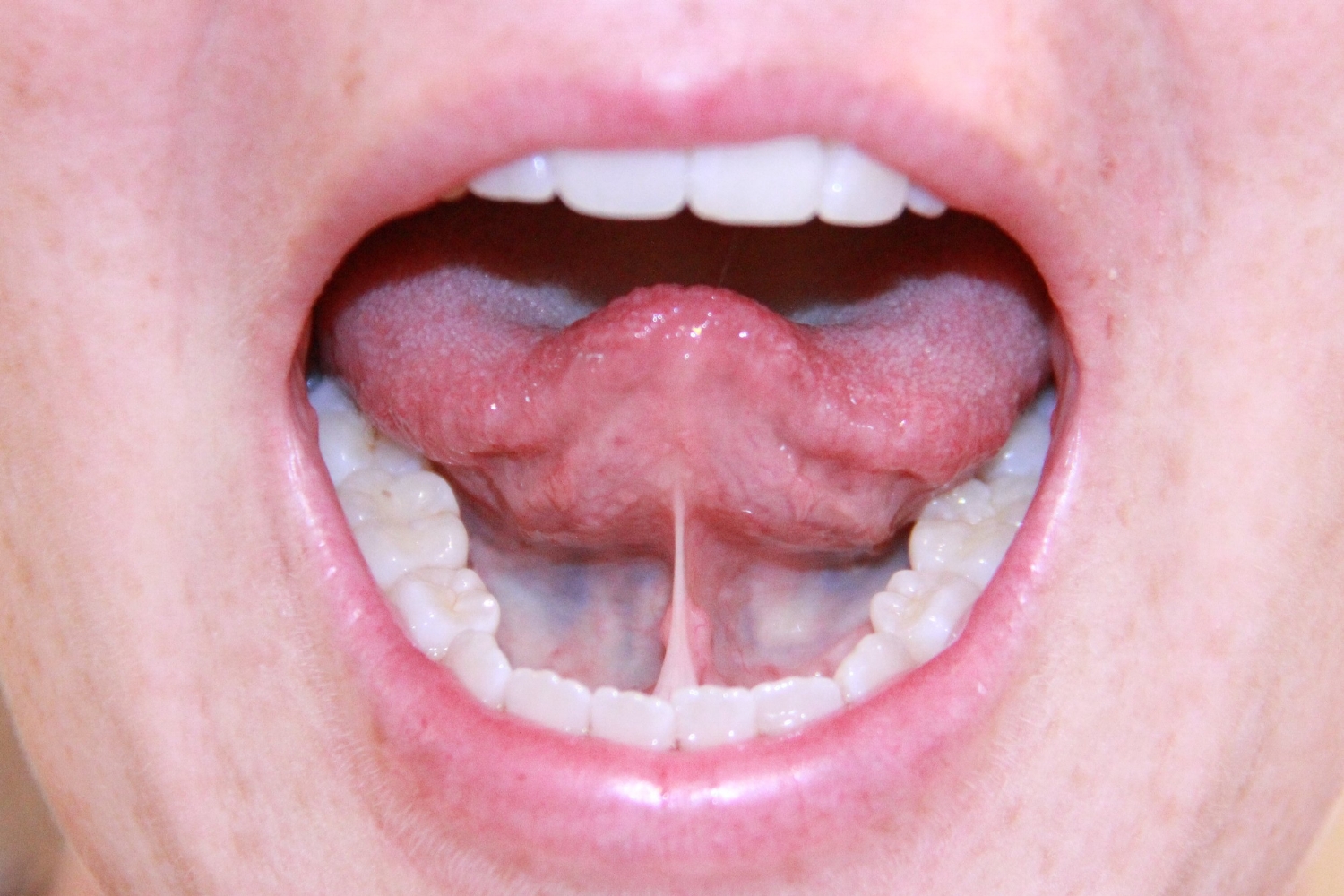
Tongue-tie surgery is a minor surgical procedure performed when the tissue connecting the tongue to the floor of the mouth (lingual frenulum) is shorter or tighter than normal. It is known in medicine as frenotomy or frenectomy . Tongue-tie surgery is a minor surgical procedure performed when the tissue connecting the tongue to the floor of the mouth (lingual frenulum) is shorter or tighter than normal. It is known in medicine as frenotomy or frenectomy. The goal is to increase the tongue's range of motion and restore essential functions such as speaking, swallowing, and sucking.
When the tongue tie is short, the tongue cannot move sufficiently upward, forward, or sideways. This can lead to speech disorders, particularly in children, difficulty sucking in infants, and swallowing problems and functional limitations in the mouth in adults. Over time, jaw development, tooth alignment, and even breathing habits can be affected.
What is the purpose of a tongue tie surgery?
With this process:
- Language moves more freely.
- Speech clarity improves, and letter pronunciation becomes better.
- The sucking problem in babies can be eliminated.
- Swallowing and chewing functions improve.
- The tongue is positioned correctly against the palate.
- Oral and jaw development is supported.
Nowadays, most tongue tie surgeries are performed with a laser. The procedure usually takes a few minutes, requires no stitches, and has minimal bleeding. The recovery process is quite fast; the patient can return to normal life the same day. In children, it is often much more effective when planned in conjunction with speech therapy.
In what situations is it necessary?
Tongue tie surgery is recommended in the following situations:
- If babies have problems with sucking and weight gain
- If children experience speech delay or pronunciation difficulties
- If the tongue cannot touch the roof of the mouth or be extended forward
- If your tongue presses against your teeth when you swallow
- If tongue function causes problems during orthodontic treatment
This intervention is not an aesthetic procedure; it is a functional necessity. The aim is not to "cut" the tongue, but to restore its rightful freedom. A small intervention at the right time can prevent speech, eating, and quality of life problems that could last for years.
This text is intended to provide general information. The appropriate treatment method for each patient may vary, and therefore, a dentist who is an expert in the field should be consulted. Before making any decision regarding dental health, it is of great importance that you have a detailed examination and consultation with your physician. These articles are for informational purposes only and are not intended to replace professional medical advice.


 by
by