
 English
  Türkçe
  Français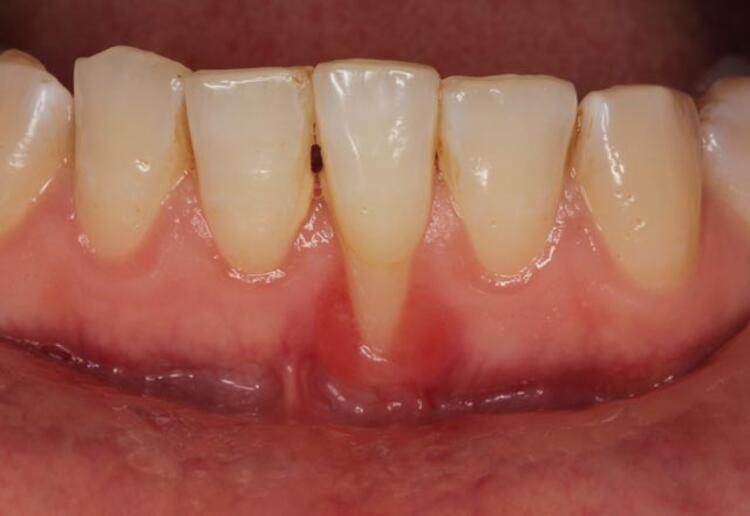
Gum recession is a common but often unnoticed problem in oral health. When the gums recede from the tissue surrounding the teeth, it exposes the tooth roots and increases sensitivity. This can also be aesthetically bothersome and, if left untreated, can lead to tooth loss. So, does gum recession happen suddenly, or does it progress gradually?
Causes of Gum Recession
Gum recession is often a slow process and is usually noticed over the years. One of the most common causes is periodontal disease. Plaque and tartar buildup leads to inflammation of the gum tissue, causing it to recede over time. This process can accelerate if regular oral hygiene is not maintained.
Brushing too hard and using incorrect brushing techniques also cause mechanical trauma to the gums, accelerating gum recession. In addition, genetic factors, certain medications, and hormonal changes make gum tissue more sensitive.
Sometimes, gum recession can occur as a result of a single traumatic event. For example, sudden recession can rarely occur due to a severe blow or excessive force applied to a tooth. However, such sudden cases are exceptional, and most recession develops slowly and insidiously.
Symptoms of Gum Recession
Gum recession often progresses slowly and may not show any symptoms initially. Early noticeable signs may include teeth appearing longer than normal, sensitivity in the tooth roots, increased pain from hot and cold foods, and mild redness of the gums.
As tooth extraction progresses, the tooth roots become exposed, increasing the risk of decay. Aesthetically, the long and irregular appearance of teeth can also reduce a person's satisfaction with their smile. Therefore, early detection and prevention are critically important.
Prevention and Treatment Methods
The most effective way to prevent gum recession is through proper and regular oral hygiene habits. Using a soft-bristled toothbrush, brushing teeth gently, and flossing protect gum tissue. Regular professional dental cleanings prevent recession by removing plaque and tartar buildup.
Treatment varies depending on the severity of the recession. For mild recession, improving oral hygiene habits and using gum support products may be sufficient. In more advanced cases, surgical interventions such as gum grafting may be necessary.
This text is intended to provide general information. The appropriate treatment method for each patient may vary, and therefore, a dentist who is an expert in the field should be consulted. Before making any decision regarding dental health, it is of great importance that you have a detailed examination and consultation with your physician. These articles are for informational purposes only and are not intended to replace professional medical advice.


 by
by