
 English
  Türkçe
  Français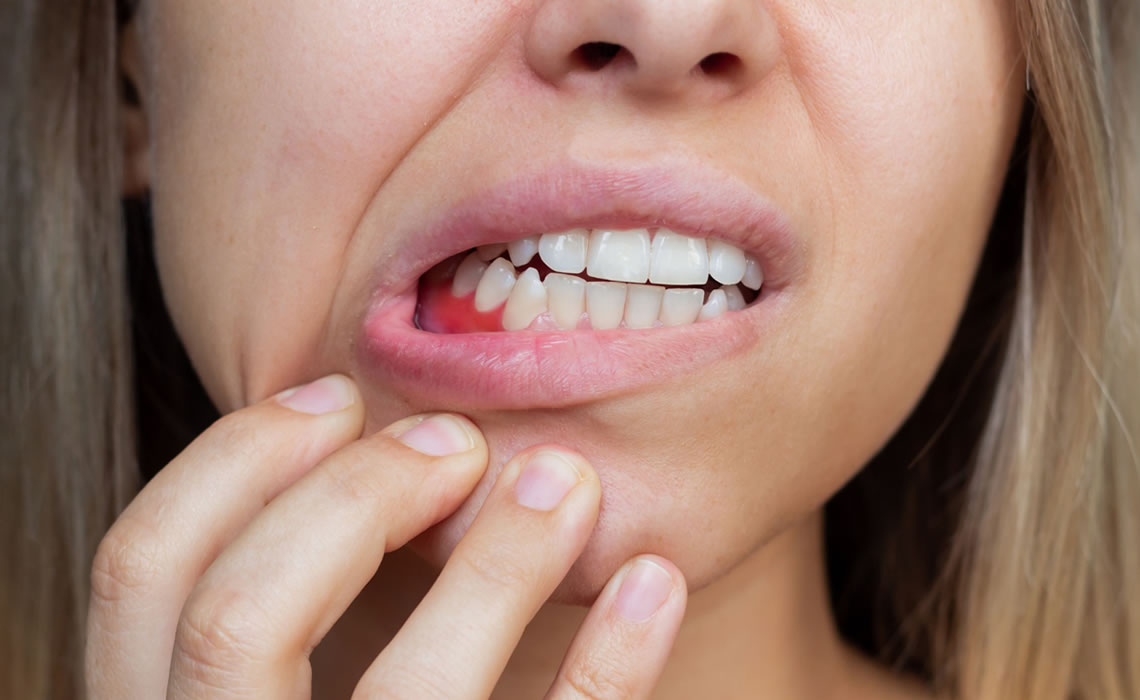
Gum bleeding is something many people consider "insignificant," but it's actually one of the most important signals of poor oral health. Gums are silent warning signs from the body.
But does every bleeding gum mean the same thing?
The answer is clear: No.
While some bleeding is caused by simple lack of hygiene, others may be a sign of hormonal changes, dietary imbalances, or systemic diseases.
Does every bleeding gum mean gum recession?
No, not every bleeding gum means gum recession.
Gum bleeding often begins as the first stage of inflammation (gingivitis). With proper care at this stage, it is completely reversible.
However, if left untreated, the process progresses and:
- Gum recession
- Bone loss
- Tooth loss
This can develop into more serious problems.
👉 So bleeding doesn't mean withdrawal.
But bleeding means "something is wrong."
What Causes Gum Bleeding?
The most common cause of bleeding gums is plaque and bacterial buildup.
However, this is not the only reason. Many factors in daily life can affect gum health without us even realizing it:
- Reasons Related to Oral Hygiene
- Insufficient brushing
- Not using dental floss
- Tartar (dental plaque) buildup
- Hormonal Changes (Very Important!)
Gum bleeding in women can often increase periodically:
- Menstrual period
- Pregnancy
- Menopause
Increased hormone levels during these periods make the gums more sensitive.
Result: Same brushing → more bleeding.
👉 This situation is temporary, but it should not be ignored.
Why does gum bleeding increase during menstruation?
Changes in estrogen and progesterone levels during menstruation:
- It increases blood circulation in the gums.
- It increases tissue sensitivity.
- It reduces resistance to bacteria.
Therefore, at that time:
👉 Easier bleeding
👉 More sensitivity
👉 Mild swelling may occur.
This is essentially the body's way of saying, "I'm more sensitive now."
Does Diet Affect Gum Bleeding?
Does Diet Affect Gum Bleeding?
Dietary Factors That Can Increase Bleeding
- Excessive sugar consumption
- acidic foods
- Processed foods
- Vitamin deficiencies (especially vitamins C and K)
Foods that Strengthen Gums
- Green leafy vegetables
- Foods containing vitamin C (oranges, kiwis)
- Omega-3 sources
- Plenty of water
👉 The mouth is actually a mirror of the gut and the immune system.
What does bleeding gums mean and when do they occur?
This section is especially invaluable for raising patient awareness 👇
If it bleeds when you brush
➡️ Usually the beginning of gum inflammation
➡️ There may be a lack of hygiene.
If it bleeds spontaneously
➡️ The inflammation may have progressed.
➡️ Possibility of periodontal disease
Regl Döneminde Artıyorsa
➡️ Hormonal sensitivity
➡️ It's temporary, but attention should be paid.
If it is bleeding continuously and heavily
➡️ Advanced gum disease
➡️ Systemic diseases (diabetes, etc.)
If accompanied by swelling and redness
➡️ Active infection
If accompanied by bad breath
➡️ Bacterial load has increased.
➡️ Risk of periodontitis
How to Prevent Gum Bleeding?
- Correct brushing twice a day.
- Using dental floss
- Regular professional cleaning
- Stay away from cigarettes
- Balanced diet
👉 And most importantly:
Not considering bleeding as "normal"
This text is intended to provide general information. The appropriate treatment method for each patient may vary, and therefore, a dentist who is an expert in the field should be consulted. Before making any decision regarding dental health, it is of great importance that you have a detailed examination and consultation with your physician. These articles are for informational purposes only and are not intended to replace professional medical advice.


 by
by