
 English
  Türkçe
  Français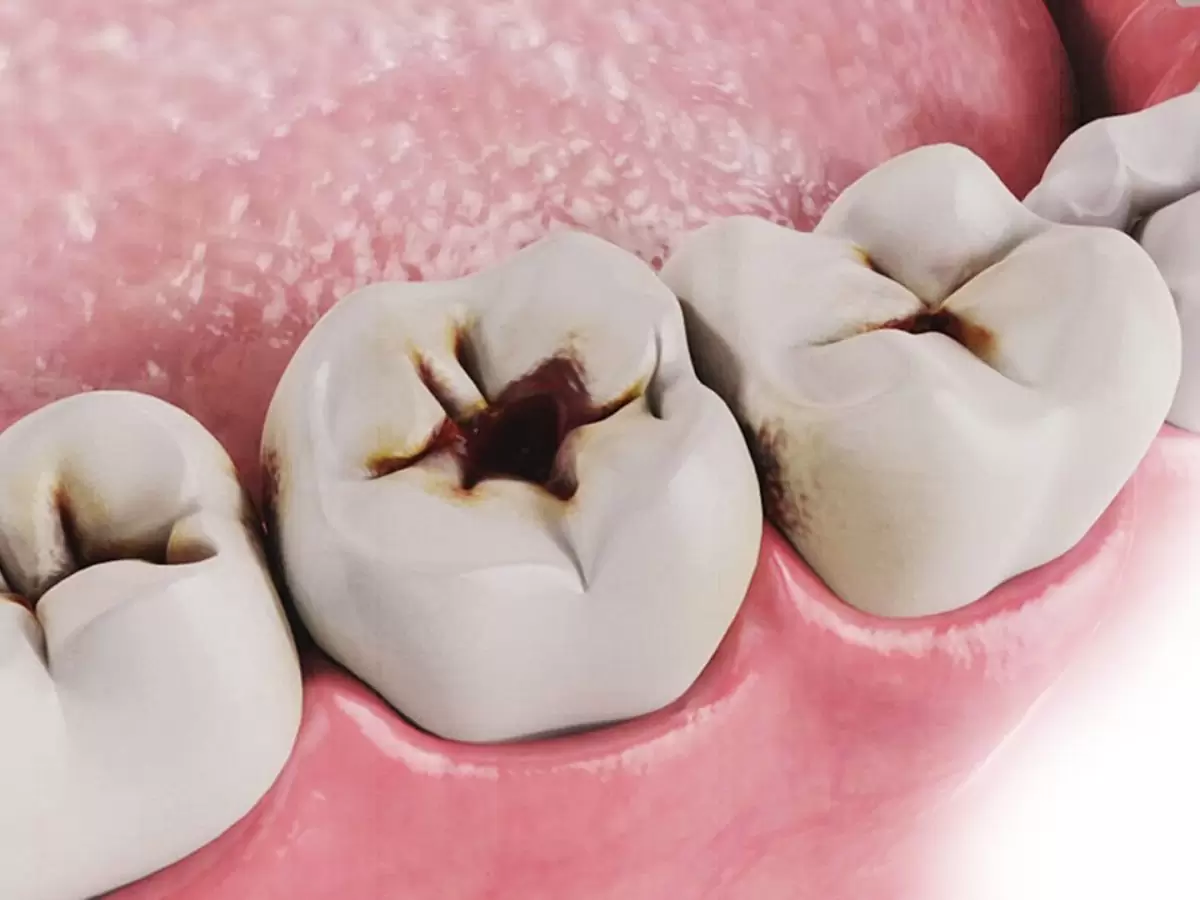
Tooth decay is one of the most common oral and dental health problems. Although it is usually noticed when pain begins, cavities actually start forming much earlier. Recognizing the correct symptoms and having regular check-ups is critical to preventing tooth loss. Cavities detected early can be controlled with simpler and faster treatments.
What are the first signs of tooth decay?
Tooth decay often doesn't cause significant pain in its initial stages. However, careful observation can reveal some early warning signs. White or dull spots on the tooth surface may indicate that the enamel is weakening. These spots can turn yellow or brown over time.
Sensitivity to cold, hot, or sweet foods is also an important symptom. Pain, especially short-lived throbbing pain, may indicate the early stages of tooth decay. In more advanced stages, pain during chewing, the formation of cavities in the tooth, and a constant feeling of discomfort may occur.
Bad breath and a bad taste in the mouth can also be related to cavities. This is because bacteria accumulating in decayed areas cause bad odor over time. Such symptoms should not be ignored and should be evaluated early.
Home Monitoring Methods and Things to Consider
Simple checks can be done at home to detect tooth decay early. Using a mirror, tooth surfaces can be examined, and any discoloration, dark spots, or pitting can be observed. Plaque buildup, especially in the back teeth and between teeth, can accelerate the formation of cavities.
If floss gets snagged or breaks during use, this may indicate a problem with cavities or fillings between the teeth. Additionally, persistent sensitivity in a particular tooth should be carefully monitored.
However, it is important to remember that cavities are not always visible to the naked eye. Cavities that form between teeth or in the underlying layers of teeth may not be detected by home checks. Therefore, home observation only provides preliminary information.
Cavity Detection by a Dentist
Dental caries is definitively diagnosed through a professional examination. The dentist uses specialized instruments to inspect the tooth surfaces and evaluate any suspicious areas. If necessary, X-rays are taken to examine the spaces between teeth and the root areas in detail.
Digital imaging systems used in modern dentistry can detect even early cavities that are not yet visible to the naked eye. This allows for intervention before the decay progresses, avoiding the need for more extensive treatments.
Regular dental cleanings and check-ups also play a significant role in preventing cavities. Professional care reduces plaque and tartar buildup, protecting tooth surfaces. Tooth decay is an insidious problem, but it can be easily controlled if detected early. Recognizing the first signs, practicing regular oral hygiene, and not neglecting dental check-ups are essential for healthy teeth.
This text is intended to provide general information. The appropriate treatment method for each patient may vary, and therefore, a dentist who is an expert in the field should be consulted. Before making any decision regarding dental health, it is of great importance that you have a detailed examination and consultation with your physician. These articles are for informational purposes only and are not intended to replace professional medical advice.


 by
by