
 English
  Türkçe
  Français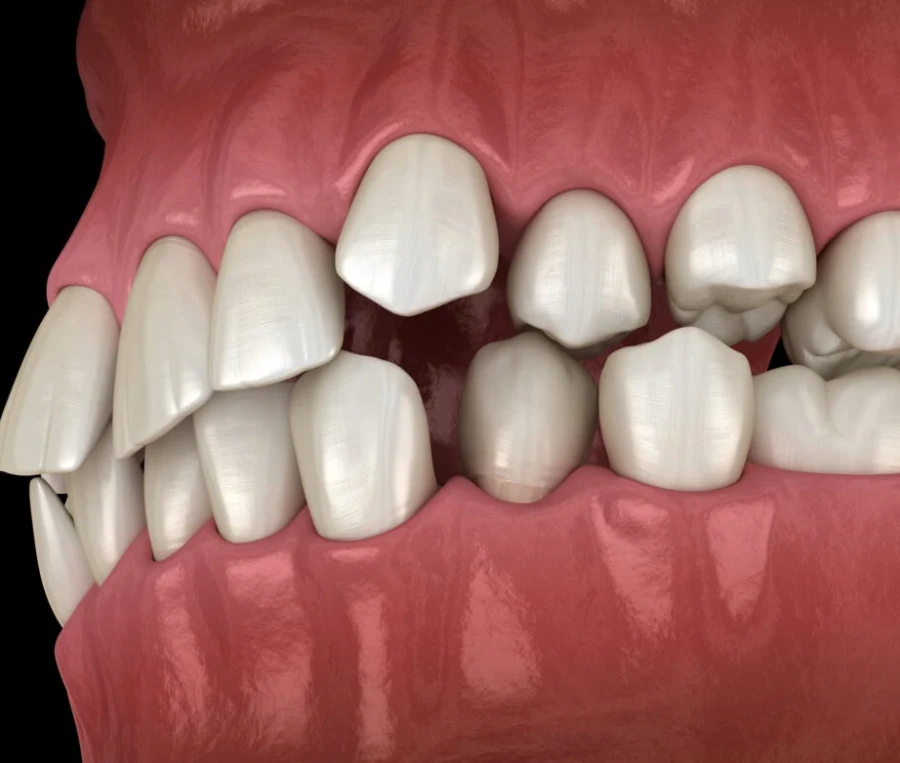
Dental Trauma and ToothSOS: How to Save Your Tooth in Unexpected Accidents?
Whether children are running around in the park, teenagers are playing sports, or we're all going about our daily lives, unexpected accidents can happen to us. Collisions, falls, or sports injuries can result in broken, loosened, or even completely dislodged teeth, which can cause panic.
But take a deep breath: With proper and prompt first aid, it's often possible to save that tooth.
At our clinic, we treat dental traumas using the most up-to-date and scientific methods. To make this process easier for our patients, we would like to share the globally accepted ToothSOS guidelines with you.
What is ToothSOS?
ToothSOS, developed by the International Association of Dental Traumatology (IADT), is a life-saving guide for both dentists and patients. Available as a free mobile app, it shows you exactly what to do in the event of a dental accident, second by second, in clear and understandable language.
This is one of the most important health apps to have on your phone to reduce panic and take the right steps in case of an accident.
The Most Common Dental Injuries and Life-Saving Steps
Regardless of the type of accident, our first rule is to remain calm. Then, follow the steps below and get to our clinic as soon as possible.
1. Complete Tooth Dislodgement (Avulsion)
This is the most urgent type of dental trauma. When a permanent tooth is dislodged, it's a race against time.
- Locate the tooth: Always grasp the tooth by the crown (the white, visible part). Do not touch the root (the yellowish part below the gum line).
- Clean: If the tooth is soiled, gently rinse it under cold water for 10 seconds. Never brush or scrub.
- Try to reposition it: If possible, gently place the tooth back into its socket and have the patient hold the tooth in place by biting on a clean handkerchief or cloth.
- Protect the Tooth If You Can't Reinsert It: If you can't reinsert the tooth, don't let it dry out. Place the tooth in a glass of cold milk. If milk is unavailable, keep it in saliva or inside the patient's cheek (in adults/older children who are not at risk of swallowing) and go to the dentist immediately.
- Time is of the essence: The ideal time to save the female is the first 30 to 60 minutes.
Important Note: If the tooth that has been knocked out is a baby tooth, never try to put it back in to avoid damaging the underlying permanent tooth bud. Only consult your dentist.
2. Tooth Breakage
A piece of the tooth may break off as a result of the impact.
- Find the broken piece.
- Keep the piece in milk or water to prevent it from drying out.
- If you bring it to our clinic, the broken piece can be successfully reattached to your own tooth using special adhesives.
3. Tooth Loosening or Shifting Inward/Outward
Sometimes a tooth doesn't come out of its socket, but its position changes or it starts to loosen.
- Do not attempt to straighten the tooth by pushing or pulling it yourself.
- Avoid applying pressure to the tooth.
- Apply a cold compress to the affected area and come to our clinic immediately.
How can we protect ourselves from trauma?
For children and adults involved in contact sports (basketball, football, martial arts), using custom-made sports mouthguards is the most effective way to prevent dental trauma. At our clinic, we can create mouthguards that perfectly fit your teeth and allow for comfortable breathing.
Don't forget...
In cases of dental trauma, it's fantastic teamwork when you provide the initial treatment and we provide the permanent cure. Don't forget to download the ToothSOS app to your smartphone and save our contact number to your phonebook for emergencies.


 by
by