
 English
  Türkçe
  Français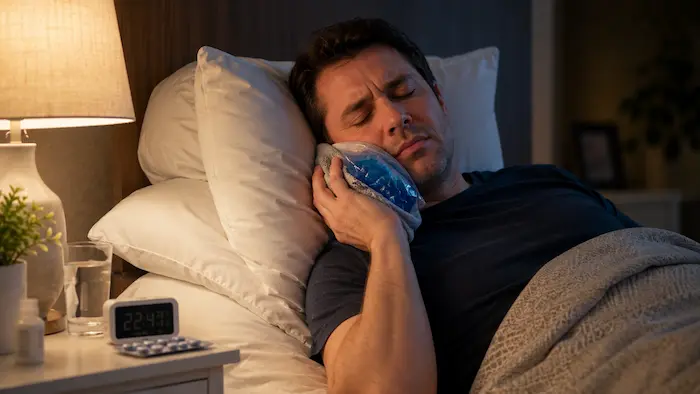
What should I do for a sudden toothache that starts at night?
Toothache at night is usually a symptom of an underlying problem and requires dental intervention for a permanent solution. Therefore, even if the pain subsides, an appointment should be made for the next day.
If the pain is caused by decay, a filling or root canal may be necessary. In cases of nerve inflammation, delaying treatment can worsen the pain and allow the infection to progress. Brushing your teeth and using a fluoride mouthwash can reduce nighttime pain and help you sleep.
Sudden toothache at night is one of the most bothersome health problems. A mild discomfort that can be tolerated during the day can intensify at night, waking you from sleep. This is because blood pressure increases in a horizontal position, and the pain is felt more intensely. Generally, cavities, inflammation of the tooth nerve (pulpitis), gum infections, or filling problems are the main causes of this type of pain.
Knowing the right steps in such a situation is crucial for controlling the pain and preventing the situation from worsening.
First Steps for Nighttime Toothache
When a toothache starts at night, while the source of the pain can't be addressed immediately, temporary relief can be achieved. First, gently rinse your mouth with warm water. This helps remove any food particles and can reduce pressure.
If the pain is very severe, a suitable painkiller can be used. However, no medication should be applied directly to the tooth; this can damage the gums. You can use the painkillers previously prescribed by your dentist as appropriate.
Applying a cold compress to the tooth externally can also relieve pain. Cold application reduces blood flow to the area, decreasing swelling and pain. However, ice should not be applied directly to the skin.
Chewing should be avoided on the painful side, and hot and cold foods should be avoided as these stimuli can increase the pain. Also, sleeping with the head slightly elevated can reduce the severity of nighttime pain.
For gum-related pain, professional cleaning and medication can be applied. In some cases, impacted teeth or teeth grinding habits can also cause nighttime pain.
Temporary home remedies only provide relief; they are not a substitute for treatment. Therefore, a professional evaluation is necessary to prevent the pain from recurring.
Don't underestimate nighttime pain.
A sudden toothache at night is often a sign of a serious problem. While the pain can be controlled with proper first aid, a permanent solution requires consultation with a dentist.
This text is intended to provide general information. The appropriate treatment method for each patient may vary, and therefore, a dentist who is an expert in the field should be consulted. Before making any decision regarding dental health, it is of great importance that you have a detailed examination and consultation with your physician. These articles are for informational purposes only and are not intended to replace professional medical advice.


 by
by