
 English
  Türkçe
  Français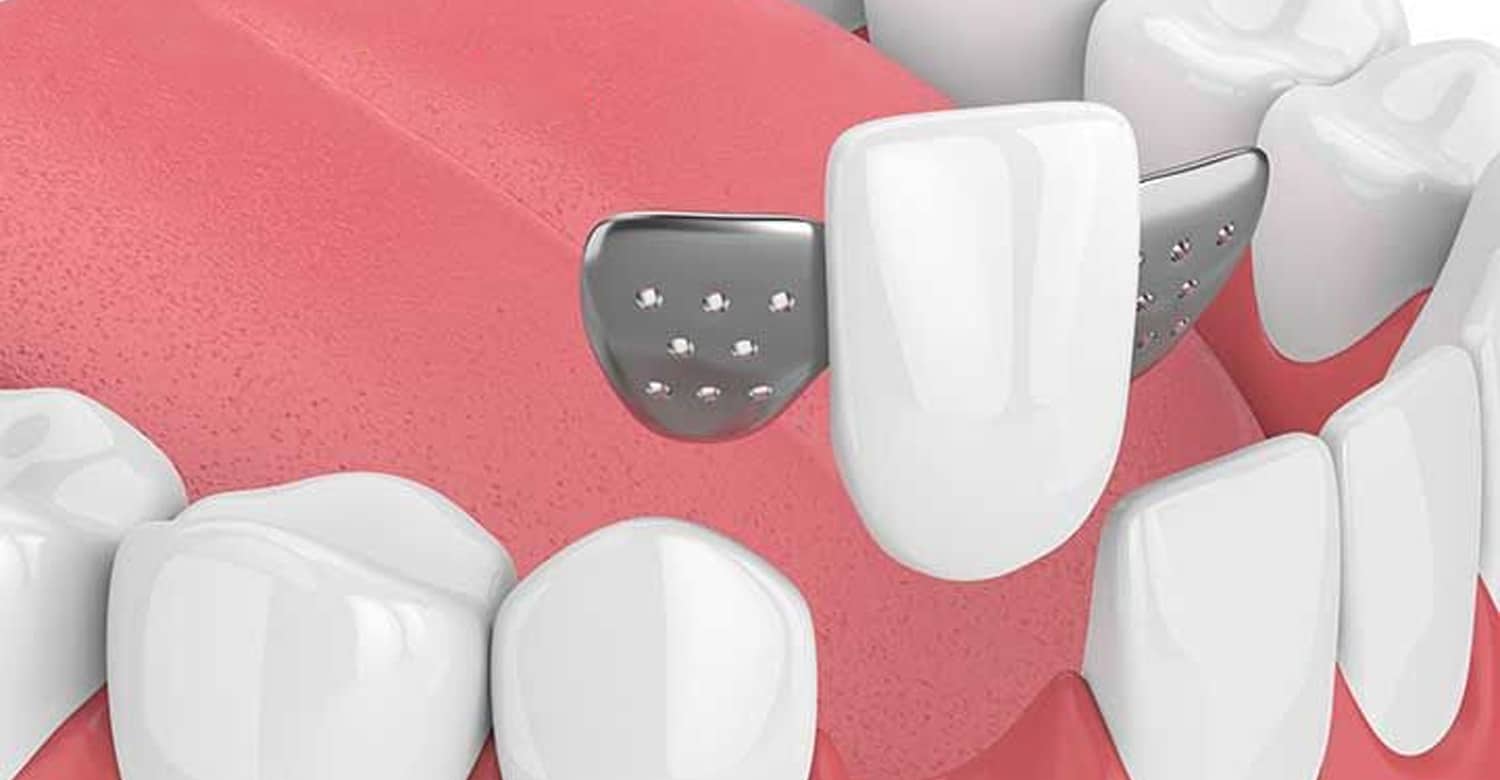
Missing teeth are a significant problem, both aesthetically and functionally. Maryland bridges and implant are among the most commonly used methods for addressing these deficiencies. However, these two treatment options differ in their application, advantages, and intended uses. So, what are the key differences between Maryland bridges and implants, and which method is more advantageous in which situations?
What is a Maryland Bridge? Features and Advantages
A Maryland bridge is a type of bridge used to fill a missing tooth. It consists of wing-shaped metal or ceramic attachments bonded to the back surfaces of adjacent teeth. It's a much more minimally invasive method than traditional bridges.
- Advantages:
- There is no need to grind down the adjacent teeth excessively.
- It can be applied in a single session or in a short time.
- It does not require surgical procedure.
- In terms of cost, it is generally more economical than implants.
- Disadvantages:
- Its durability is lower than implants.
- Over time, the wings may separate from the teeth to which they are attached or discoloration may occur.
- It cannot be applied to long tooth gaps; it is generally preferred in cases of single tooth loss.
When is it preferred?
A Maryland bridge can be a good alternative, especially in cases where a single tooth is missing in the front tooth area, in patients who do not want surgery, or in cases where the amount of bone is insufficient for an implant.
What is Implant Treatment? Its Features and Advantages
Implant treatment involves placing a titanium screw, which mimics the root of a missing tooth, into the jawbone and applying a porcelain or zirconium crown. It is a long-lasting and biocompatible solution.
- Advantages:
- It does not harm the neighboring teeth because it works like an independent tooth root.
- It is long-lasting and durable.
- It is the closest solution to natural teeth in terms of chewing function and aesthetics.
- It helps prevent bone loss and supports jaw bone health.
- Disadvantages:
- It requires a surgical procedure and there is a recovery process.
- In terms of cost, it is higher than the Maryland bridge.
- It requires sufficient bone amount and good oral hygiene.
When is it preferred?
Implant treatment is the best option for patients who want a long-term and durable solution, have a suitable jawbone structure, and are willing to undergo surgery.
Feature | Maryland Bridge | Implant |
Application Method | Wings attached to the back surface of adjacent teeth | Titanium screw placed in the jawbone |
Need for Surgery | No | Yes |
Durability | More limited, short and medium term solution | Longer lasting and more durable |
Effect on Neighboring Teeth | Some surface preparation is required | No intervention to neighboring teeth |
Cost | More convenient | Higher |
Aesthetic | Provides short-term aesthetics on front teeth | The closest solution to the natural tooth appearance |
General evaluation:
- Maryland bridges, is a practical option for patients who are short-term or do not want surgery.
- Implant, offer a more durable and healthy solution in the long term and should be preferred especially if the jawbone is sufficient.
Maryland bridges and implants represent two different approaches to replacing missing teeth. While Maryland bridges offer a faster and less invasive option, implants offer a longer-lasting solution that most closely resembles natural teeth. The dentist should evaluate the patient's overall health, aesthetic expectations, budget, and jawbone condition before deciding which treatment option to choose.
This text is intended to provide general information. The appropriate treatment method for each patient may vary, and therefore, a dentist who is an expert in the field should be consulted. Before making any decision regarding dental health, it is of great importance that you have a detailed examination and consultation with your physician. These articles are for informational purposes only and are not intended to replace professional medical advice.


 by
by