
 English
  Türkçe
  Français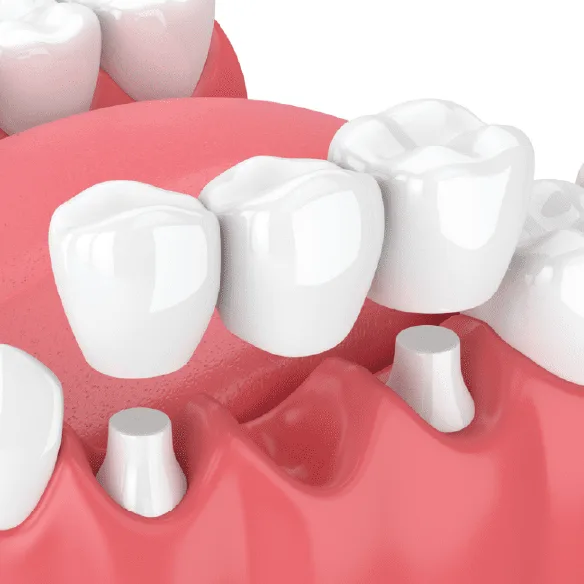
A Maryland bridge is a minimally invasive prosthetic solution used to replace a single missing tooth, particularly in the front teeth. It is secured by wings bonded to the backs of adjacent teeth, providing an aesthetically pleasing appearance. However, the durability, lifespan, and maintenance methods of these bridges are frequently questioned.
1. Durability and Life Expectancy of the Maryland Bridge
The durability of Maryland bridges depends on the quality of the materials used, the bonding technique and the patient's oral habits.
– Average lifespan: 5–10 years
– Material difference: Metal wing bridges generally have a longer lifespan than ceramic wing bridges.
– Oral hygiene: If regular care is not provided, plaque accumulation and caries may occur on the bonding surfaces.
– Bruxism (teeth grinding): It can put excessive load on the bridge, increasing the risk of separation.
– Eating habits: Frequent consumption of very hard foods can damage the bridge.
A Maryland bridge can provide a long-term solution with proper planning and regular maintenance. However, it's important to remember that it's not as permanent as an implant.
2. Oral Care Considerations to Extend the Life of Maryland Bridges
– Regular brushing and flossing: Use a soft brush and a special floss/interdental brush at least twice a day.
– Using an oral irrigator: This is very useful for cleaning the areas under the Maryland bridge. It prevents plaque buildup, protecting the health of both the bridge and the surrounding teeth.
– Regular check-ups: Check-ups every 6 months protect the health of the bridge and surrounding teeth.
– Avoid hard foods: Ice, nuts or hard candies should not be broken directly with the bridge.
These habits preserve both the durability and aesthetic appearance of the bridge for a long time.
3. The Importance of Professional Controls
Over time, a Maryland bridge can develop wear on the bonding surface or loosening of the wings. Regular inspections can help detect these issues early.
– Premature splits and bruises can be treated quickly.
– The life of the bridge can be extended by renewing the adhesive when necessary.
– The use of a night plate may be recommended for people with bruxism.
Conclusion
Maryland bridges offer an aesthetic and minimally invasive solution, particularly for missing front teeth. While their average lifespan is 5–10 years, this can be extended with proper oral hygiene, regular checkups, and healthy habits.
This text is intended to provide general information. The appropriate treatment method for each patient may vary, and therefore, a dentist who is an expert in the field should be consulted. Before making any decision regarding dental health, it is of great importance that you have a detailed examination and consultation with your physician. These articles are for informational purposes only and are not intended to replace professional medical advice.


 by
by