
 English
  Türkçe
  Français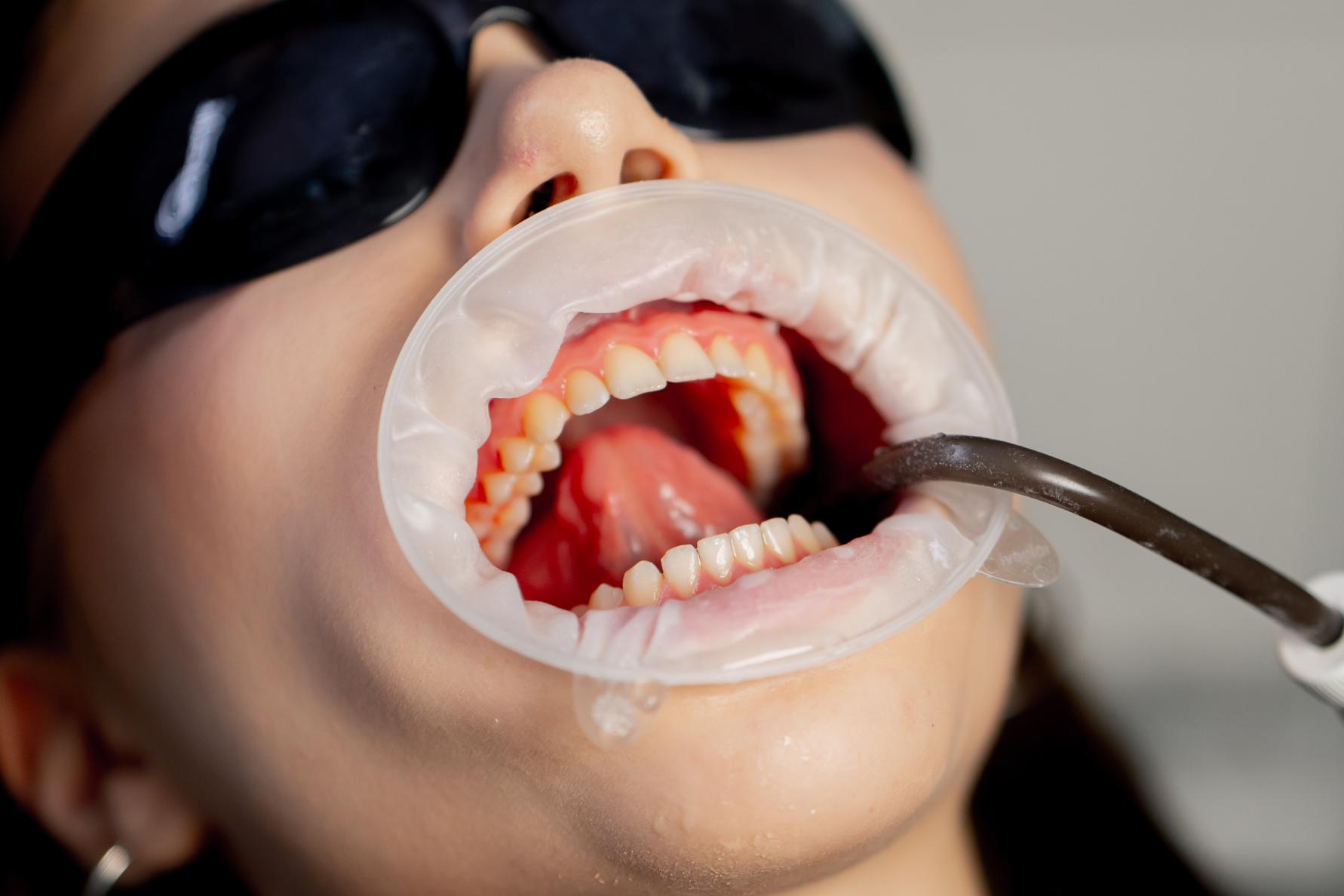
Gum recession occurs when the soft tissue surrounding the teeth retracts, exposing the roots. This can lead to serious consequences such as tooth sensitivity, cosmetic concerns, and, in the future, tooth loss. Early diagnosis and appropriate treatment are critical to maintaining gum health. In this article, we will examine in detail the surgical and non-surgical methods used to treat gum recession.
Non-Surgical Treatment Methods
Nonsurgical methods can be effective in the early stages of gum recession or in addressing the factors that contribute to it. This approach aims to improve gum health and halt the progression of gum disease.
- Professional dental tartar cleaning (scaling): Plaque and tartar buildup is one of the leading causes of gum recession. Regular cleanings at the dentist support gum health by reducing inflammation and gum irritation.
- Root planing and curettage: By removing bacteria and hardened plaque from under the gum line, tooth root surfaces are smoothed (root planing). At the same time, the inflamed gum tissue inside the gum is removed (curettage). This allows the gum to reattach to the healthy tooth surface.
- Suggestions to support gum health: The appropriate toothbrush, correct brushing techniques, regular use of dental floss and interdental brushes are important in stopping the progression of gum recession.
- Reducing risk factors: Eliminating risk factors such as quitting smoking, treating teeth grinding habits, or getting orthodontic adjustments helps maintain gum health.
Non-surgical treatment methods are preferred, especially in the initial stages of recession or to control inflammation.
Surgical Treatment Methods
In cases where gum recession is advanced or located in aesthetically important areas, surgical procedures are necessary. Surgical treatments are used to seal the tooth root, restore gum tissue, and improve function.
- Connective tissue graft: Connective tissue taken from the patient's palate is placed over the receding gum area to cover the root. This method is preferred for both aesthetics and increased tissue thickness.
- Free gingival graft: This technique is used in areas with little gum tissue and is used to expand the gums, reduce recession, and stop the progression of recession.
- Lateral displacement flap: Tissue is moved from adjacent healthy gum tissue to the recessed area. This method can be particularly effective for localized recessions.
- Regenerative techniques: In some cases, the regeneration of bone and gum tissue can be supported by using biomaterials or growth factors.
Surgical treatment options are only used in appropriate cases and after a dental evaluation. This strengthens the gum line and reduces the risk of future tooth loss.
Post-Treatment Care and Long-Term Protection
The long-term success of gum recession, whether treated with surgical or non-surgical methods, is closely related to post-treatment care and regular check-ups.
- Regular dentist check-ups: The healing process and tissue adaptation after treatment should be monitored by the physician.
- Taking care of oral hygiene: Routine oral care habits should be developed, including brushing with a soft brush and correct technique, and supported by dental floss or interdental brushes.
- Balanced nutrition and healthy living habits: General health status has a direct impact on oral health.
- Avoiding traumatic factors: Habits such as eating hard foods or clenching teeth should be controlled.
These approaches reduce the risk of recession in the treated area and ensure that gum health is preserved.
Surgical and non-surgical methods for treating gum recession are determined by the extent of the recession, its cause, and the patient's overall oral health. Non-surgical approaches such as professional cleaning and root planing may be sufficient in the early stages, while connective tissue grafting and other surgical procedures may be necessary in more advanced cases. The decision on which method to use should be made after a thorough examination by the dentist, and regular care and follow-up appointments should be maintained after treatment.
This text is intended to provide general information. The appropriate treatment method for each patient may vary, and therefore, a dentist who is an expert in the field should be consulted. Before making any decision regarding dental health, it is of great importance that you have a detailed examination and consultation with your physician. These articles are for informational purposes only and are not intended to replace professional medical advice.


 by
by