
 English
  Türkçe
  Français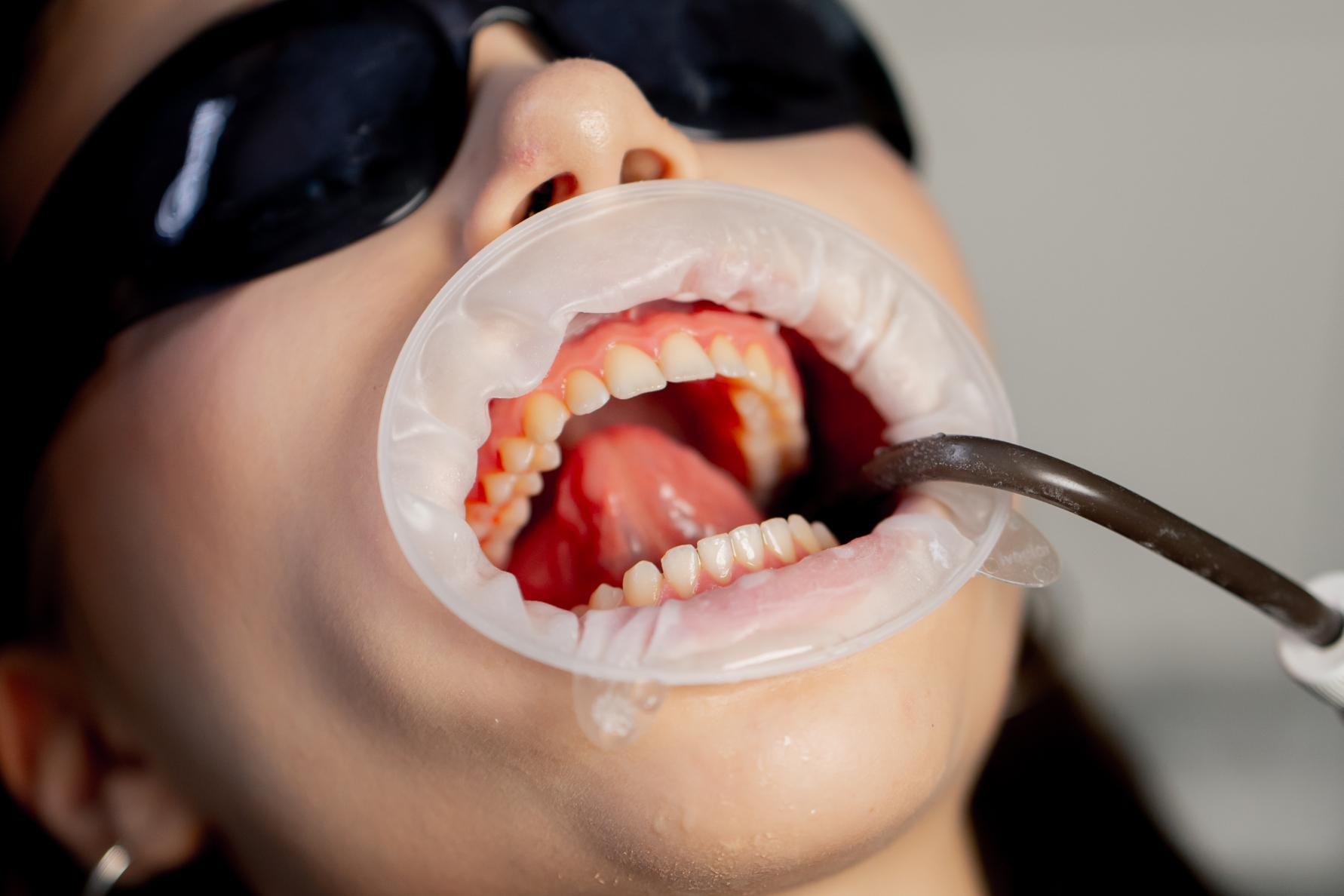
Gum recession is a common oral health problem where the gums pull back from the tooth roots. This can have serious consequences, not only aesthetically but also in terms of tooth preservation. Exposure of tooth roots can lead to sensitivity, increased risk of cavities, and in advanced cases, even tooth loss. Fortunately, there are now various effective treatment methods for gum recession.
Treatment of Gum Recession According to its Cause
The most important step in treating gum recession is accurately identifying the source of the problem. Because not all cases of recession are caused by the same reason, treatment is planned accordingly. One of the most common causes is periodontal disease. In this case, professional dental cleaning is performed first to remove plaque and tartar buildup. If necessary, root planing (curettage) is performed to remove bacteria and aim to restore the gum tissue to a healthy state.
If the recession is caused by incorrect brushing habits, the patient is taught proper brushing techniques and advised to use a soft-bristled toothbrush. These simple but effective changes can halt the progression of the recession.
Mechanical factors such as teeth grinding (bruxism) can also contribute to gum recession. In such cases, the use of a night guard is recommended to reduce pressure on the teeth and gums.
Surgical Treatment Options for Advanced Cases
When gum recession reaches an advanced stage, surgical intervention may be necessary. One of the most common methods is gum grafting. In this procedure, also called connective tissue grafting or free gum grafting, healthy tissue, usually taken from the patient's palate, is transplanted to the area of recession. This re-covers the tooth root, providing both aesthetic and functional improvement. At the same time, the tissue thickness is increased, making the tissues more resilient.
In some cases, laser-assisted treatments may also be applied. Laser technology allows for more precise cleaning of infected tissues, which can prevent the progression of gum recession.
Post-Treatment Care and Protection
Another issue as important as the treatment itself is post-treatment care. Since gum recession can recur, regular oral hygiene habits are crucial. Brushing your teeth twice a day with the correct technique, using dental floss, and having regular dental check-ups will help maintain the results achieved.
Since smoking negatively affects gum health, it is recommended to quit. In addition, a balanced diet and vitamin supplements contribute to strengthening gum tissue.
Gum recession is a problem that can be controlled if detected early. Treatment methods vary depending on the cause and severity of the recession. Solutions range from simple cleaning procedures to surgical interventions.
This text is intended to provide general information. The appropriate treatment method for each patient may vary, and therefore, a dentist who is an expert in the field should be consulted. Before making any decision regarding dental health, it is of great importance that you have a detailed examination and consultation with your physician. These articles are for informational purposes only and are not intended to replace professional medical advice.


 by
by