
 English
  Türkçe
  Français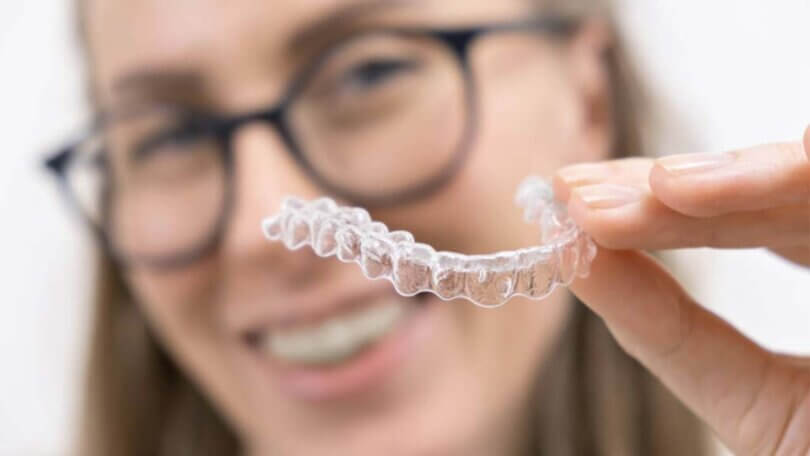
Crooked teeth, gaps, or misalignment can negatively impact both aesthetic appearance and oral health. Clear aligner treatment, developed as an alternative to traditional metal braces, offers the opportunity to invisibly straighten teeth using clear aligner technology. So, who is a good candidate for Clear Aligners? Who can benefit most from this treatment? Let's take a look at it together.
What is Clear Alignment Treatment and How is it Applied?
Clear aligners are an orthodontic treatment method consisting of custom-made, clear aligners that straighten teeth without traditional braces. These aligners are created based on a three-dimensional model of your teeth created by digital scanning. Each aligner slowly moves your teeth into their ideal position, and a new set is typically applied every one to two weeks.
During treatment, the aligners are worn throughout the day (approximately 20-22 hours), only being removed when eating, brushing your teeth, or drinking anything other than water. This eliminates the aesthetic concerns of visible braces, both in daily life and in social settings.
Another advantage of clear aligner treatment is its improved hygiene. Because the aligners are removable, brushing and flossing can continue as normal. This means the risks of tooth decay or gingivitis are much lower compared to fixed braces.
Who is Clear Aligner Suitable For?
Clear aligner treatment is an effective option for correcting many orthodontic problems. However, its suitability for each case depends on a detailed examination by a dentist or orthodontist. In general, clear aligners may be preferred in the following situations:
✅ Mild and Moderate Crowding Problems
Minor or moderate misalignment of teeth can be effectively corrected with clear aligners. These aligners gradually move teeth into proper alignment.
✅ Gaps Between Teeth
If you have gaps between your teeth (diastemas) that are aesthetically undesirable, clear aligner treatment is ideal for closing these gaps. Treatment time is generally short, and the results are quite natural.
✅ Tooth Closure Problems
Some cases of mild open bite, deep bite, or crossbite can be corrected with clear aligners. However, the suitability of these situations should be evaluated by an orthodontist.
✅ Adults and Teenagers with High Aesthetic Anxiety
Clear aligners are an excellent option for adults who prioritize aesthetics, and for young people who find visible braces uncomfortable. Thanks to their transparent design, the treatment is virtually unnoticeable.
Who Might Not Be Suitable for Clear Alignment Treatment?
Although Clear Aligners appeal to a wide range of patients, in some cases, conventional orthodontic treatments may be more effective.
The following situations may be considered as cases that are not suitable for Clear Alignment:
Advanced jaw deformities: If there are significant skeletal problems in the jaw structure, correction with clear plates alone may not be possible.
Severe tooth rotations or impacted teeth: These types of cases usually require fixed braces or surgical interventions.
Individuals who are unable to adapt to aligner use: Clear aligners require active patient participation in treatment. Failure to wear aligners regularly can prolong treatment time or reduce its success.
Therefore, an orthodontic evaluation is crucial before starting clear aligner treatment. The dentist will develop the most appropriate treatment plan based on the patient's dental structure, jaw position, and expectations.
Clear aligners are an ideal option for those seeking an aesthetic, comfortable, and modern way to correct misaligned teeth. Adults and young people who are uncomfortable with visible braces and want to maintain their social confidence can benefit greatly from this treatment.
This text is intended to provide general information. The appropriate treatment method for each patient may vary, and therefore, a dentist who is an expert in the field should be consulted. Before making any decision regarding dental health, it is of great importance that you have a detailed examination and consultation with your physician. These articles are for informational purposes only and are not intended to replace professional medical advice.


 by
by