
 English
  Türkçe
  Français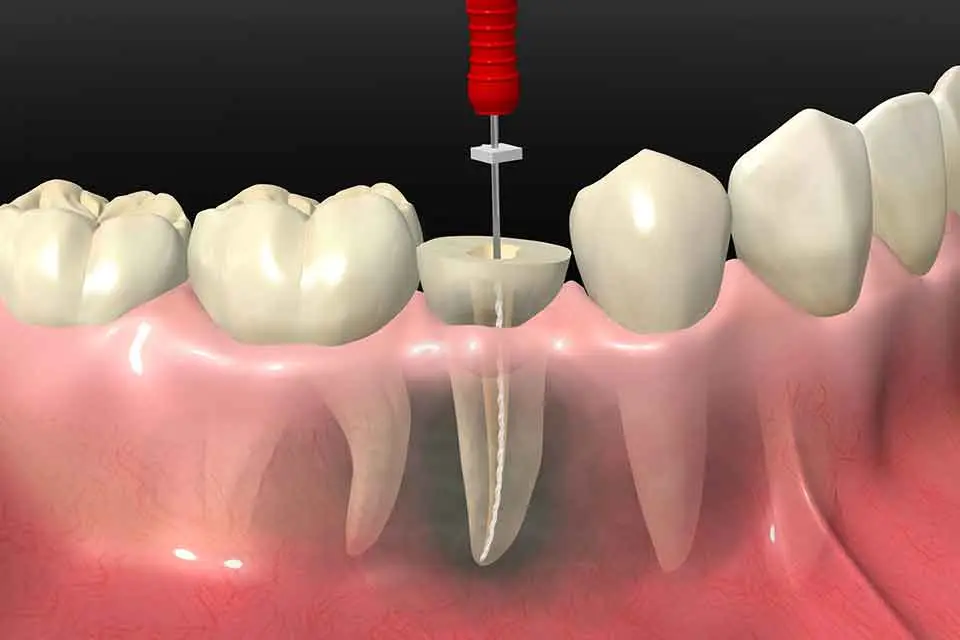
What is Microscope-Assisted Root Canal Treatment? Advantages and Success Rate
Microscope-assisted root canal treatment is one of the most important advances in technology in dental treatments. This method, which allows for much more successful results, especially in complex cases, offers many advantages over classical root canal treatment.
The advantages offered by microscope-assisted root canal treatment both increase the success of the treatment and increase the chance of saving the tooth from extraction.
So, what advantages does microscope-assisted root canal treatment provide to dentistry? How high is its success rate? Here are the details…
What Advantages Does Microscope-Assisted Root Canal Treatment Provide to Dentistry?
1. More Precise Field of View
The internal structure of the tooth can be examined in much more detail with the help of a microscope. This technology allows all root canals to be found and cleaned completely and accurately. Especially the thin canals that cannot be seen with the naked eye can be easily detected with a microscope.
2. High Success in Difficult Cases
The microscope provides a great advantage, especially in difficult cases with complex canal anatomy.
Difficult cases include:
•Curved and narrow channels
•Extra root canals
•Teeth that have previously undergone unsuccessful root canal treatment
•Channel blockages
•Root tip cracks
In the past, it was generally not possible to treat crooked or narrow canals and these teeth often had to be extracted. However, today, thanks to root canal treatments performed under microscope, such complex cases can be managed more easily and teeth can be saved.
In addition, thanks to developing endodontic instrument technologies (e.g. flexible nickel-titanium files, ultrasonic devices), it is possible to achieve successful results during both diagnosis and treatment.
3. Less Margin of Error
In microscope-assisted root canal treatment, complications such as root tip cracks, canal obstruction or broken instruments are too difficult to diagnose with the naked eye. However, these problems can be seen much more clearly with the use of a microscope.
This not only increases the diagnosis but also the treatment rate significantly. Because these problems, which can be seen under a microscope, can be repaired more effectively with advanced root canal sealers (e.g. MTA, bioceramic sealers) and modern treatment techniques.
For example:
•Root tip cracks can be repaired with appropriate materials.
•Canal blockages can be opened with ultrasonic devices.
•Broken instruments can be removed or bypassed under microscope.
Bu sayede tedavinin başarısızlık riski minimuma iner ve dişin çekilmeden kurtarılma şansı önemli ölçüde artar.
4. Chance to Save the Tooth Without Extraction
Microscope-assisted root canal treatment is an important alternative for patients who want to save their teeth without extraction. Even in particularly complex cases, the detailed view provided by the microscope greatly increases the chance of treating the tooth without extraction.
5. Single Session Probability Increases
It may be possible to complete treatment in a single session with microscope-assisted root canal treatment, especially when performed by an experienced physician.
The aim of this method is to complete the root canal treatment in a single session, if possible. This way, the patient saves time and increases comfort.
What is the Success Rate in Microscope-Assisted Root Canal Treatment?
The success rate of root canal treatments performed with a microscope can reach levels of 90-95%. In root canal treatments performed with the classical method, this rate usually remains between 70-85%.
The main factors affecting the success rate are:
•The condition of the tooth before treatment
•Complexity of channel structure
•Whether or not an unsuccessful root canal treatment has been applied before
• The experience of the physician and the quality of the equipment she uses.
Conclusion
Microscope-assisted root canal treatment is one of the greatest technological advantages offered by modern dentistry. In complex cases, it increases the chance of saving the tooth without extraction and significantly increases the success of the treatment.
However, it should not be forgotten that dental treatment is personalized. Therefore, you should definitely consult a specialist dentist before making decisions about your dental health.
This article is for informational purposes only and is not a substitute for professional medical advice.


 by
by