
 English
  Türkçe
  Français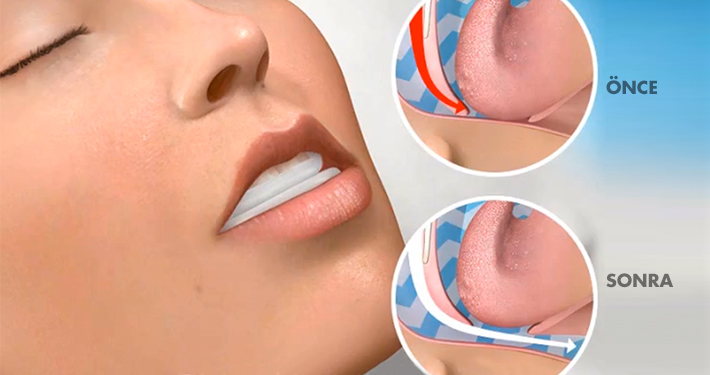
Tooth Loss, Sleep Apnea, and Dementia: Why is the Relationship Between Them Increasingly Discussed?
For many years, tooth loss was only evaluated in terms of chewing and aesthetics. Today, however, the effects of oral health on overall health are considered from a much broader perspective.
Research indicates that there may be significant links between tooth loss, sleep disorders, chronic inflammation, cognitive performance, and the aging process.
Are our teeth only for chewing?
Our teeth do more than just break down food with each bite.
During chewing, sensory information is continuously sent to the brain via the jaw muscles, joints, and periodontal tissues. These stimuli help keep many areas of the brain active.
As tooth loss increases, chewing efficiency may decrease, and this may become more pronounced with age.
Can tooth loss affect the airway?
Teeth also help protect the jawbone.
Particularly in cases of multiple tooth loss, a decrease in jawbone volume can occur. This can lead to reduced facial support, changes in lower facial height, and, in some individuals, affect airway anatomy.
Although not every patient experiences the same outcome, the relationship between tooth loss and upper airway function is a significant area of research today.
What is sleep apnea?
Obstructive sleep apnea is a condition in which the upper airway narrows or closes repeatedly during sleep.
In this situation, a person may experience numerous breathing pauses throughout the night without realizing it.
As a result:
- Blood oxygen levels may drop.
- Sleep may be interrupted.
- Morning fatigue may occur.
- Concentration problems may occur.
- Daytime drowsiness may occur.
Possible Link with Dementia
Quality sleep and adequate oxygenation are essential for healthy brain function.
Memory organization and cellular repair processes that occur during sleep play a vital role in maintaining lifelong cognitive health.
Therefore, conditions that disrupt sleep quality can affect cognitive performance, especially in older adults. In recent years, the number of studies examining the relationship between sleep apnea and dementia has been rapidly increasing.
Longevity Dentistry Approach
Modern dentistry now aims not only to treat teeth but also to improve a person's quality of life.
Healthy teeth,
effective chewing,
strong jaw structure,
Easy breathing and quality sleep…
These are all parts of a healthy aging journey.
Perhaps the dentistry of the future will be a healthcare approach that protects not only smiles but also quality of life.


 by
by