
 English
  Türkçe
  Français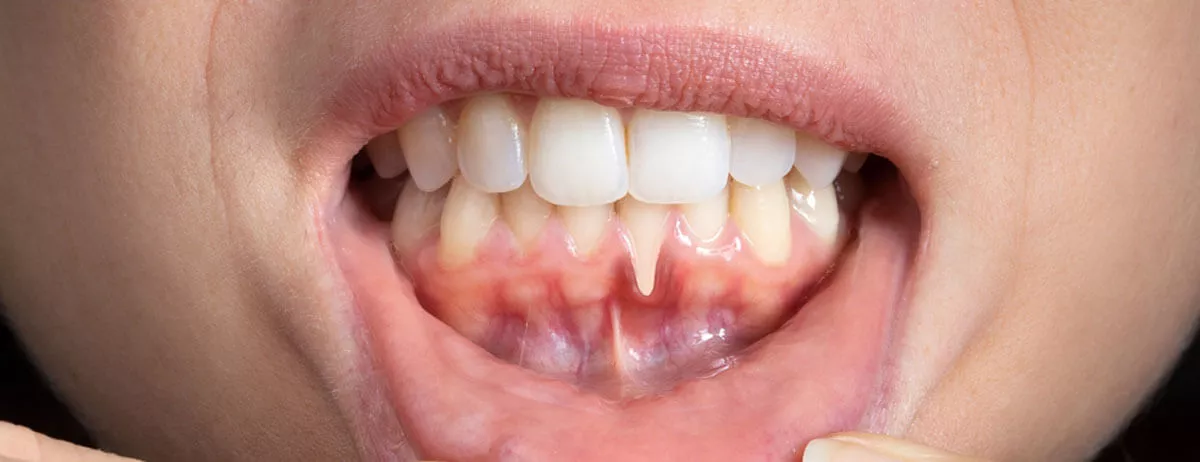
Gum recession is the receding soft tissue around the teeth, exposing the roots. This condition is not only an aesthetic concern but also directly impacts dental health. If not detected early, it can lead to tooth loss. In this article, we will discuss the common causes of gum recession and preventative measures.
Inadequate or Improper Oral Care
The key to maintaining gum health is regular and proper oral hygiene. However, many people either don't take adequate care or use incorrect brushing and cleaning techniques.
- Inadequate oral care: Failure to brush your teeth regularly, floss, and neglect interdental brushes can lead to plaque and tartar buildup on your gums. This buildup irritates the gum tissue, leading to receding gums.
- Wrong brushing technique: Hard-bristled toothbrushes or brushing with too much pressure can cause trauma to the gum tissue.
- Lack of professional cleaning: If regular dental checkups and professional tartar cleaning are not performed, the risk of gum inflammation increases.
For this reason, correct brushing techniques should be learned, soft-bristled toothbrushes should be preferred, and the dentist should be visited at regular intervals.
Periodontal Diseases and Systemic Factors
One of the most common causes of gum recession is periodontal disease. Inflammation and tissue loss in the gums progress over time to bone loss, leading to gum recession.
- Gingivitis and Periodontitis: If left untreated, gingivitis can progress to periodontitis, which progresses with the loss of gums and supporting tissues, leading to recession.
- Hormonal değişiklikler: Hormonal fluctuations during periods such as pregnancy, puberty or menopause can increase gum sensitivity and trigger recession.
- Systemic diseases: Some chronic diseases, such as diabetes, negatively affect gum health and increase the risk of receding gums.
- Smoking: Smoking and tobacco products reduce blood flow to the gums, slowing healing and accelerating gum recession.
To maintain gum health, not only local oral care but also general health status should be taken into consideration.
Clenching Teeth, Orthodontic Problems and Tooth Structure-Related Factors
Gum recession is not only caused by oral hygiene and diseases; mechanical forces and tooth positioning also play an important role.
- Clenching or grinding teeth (bruxism): Prolonged and repetitive pressure causes microtrauma to the gums and surrounding tissues. This can lead to receding gums, especially at the gum margins.
- Orthodontic irregularities: Misalignment or crowding of teeth within the jaw can cause uneven forces on the gums. This can increase the risk of receding, especially in the lower front teeth.
- Incorrectly made restorations: Inappropriately sized fillings, crowns or bridges can irritate the gum line and cause receding.
- Genetic predisposition: In some people, the gum tissue is thinner and more sensitive, which increases the risk of recession.
Being aware of these factors and taking early precautions with regular dental check-ups helps preserve gum health.
Receding gums aren't just an aesthetic issue; they're also critical for the long-term health of your teeth. Improper oral hygiene, gum disease, systemic diseases, smoking, clenching, and orthodontic problems are among the most common causes. Regular oral hygiene, proper brushing techniques, healthy lifestyle habits, and routine dental checkups can reduce the risk of receding gums. Early diagnosis and professional support can prevent more serious problems later on.
This text is intended to provide general information. The appropriate treatment method for each patient may vary, and therefore, a dentist who is an expert in the field should be consulted. Before making any decision regarding dental health, it is of great importance that you have a detailed examination and consultation with your physician. These articles are for informational purposes only and are not intended to replace professional medical advice.


 by
by