
 English
 Türkçe
 Français
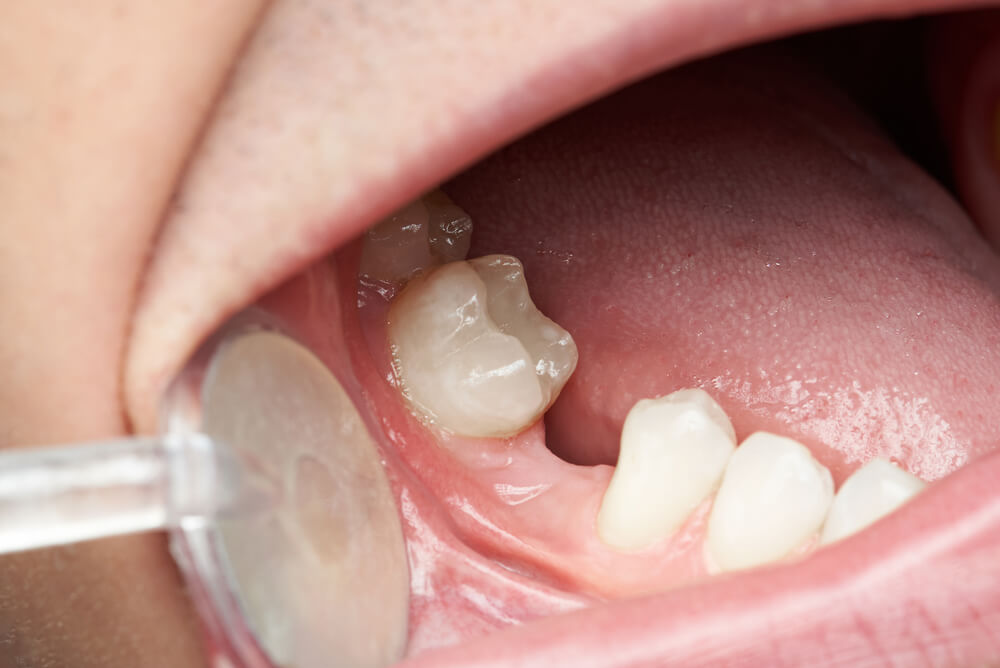
When a new tooth does not come in after a baby tooth falls out, or when a baby tooth stays in the mouth longer than in children of the same age, parents may start to think about congenitally missing teeth. In this condition, called tooth agenesis, the tooth bud from which one or more teeth would develop does not form. Baby teeth can also be affected, but missing teeth are more common in the permanent dentition. For diagnosis, the child's dental development is evaluated together with the findings of the clinical and radiographic examination.
Why does a tooth bud not develop?
Genetic factors play an important role in tooth agenesis. There may be a family history of similar missing teeth. In some children the missing tooth occurs on its own, while other developmental conditions may also be considered, especially when many teeth are affected. The dentist evaluates the family history, the baby teeth remaining in the mouth and the eruption sequence of the permanent teeth. When necessary, the dentist requests an X-ray suitable for the child's stage of development to check whether the relevant tooth bud is present.
A tooth not being visible in the mouth is not enough on its own to diagnose agenesis. The tooth may not yet have reached its eruption age. Sometimes the tooth bud is present, but the tooth's eruption path is different or there is an obstacle in its way. The examination may also include questions about whether a tooth was previously extracted and whether the baby tooth suffered any trauma. Previous X-rays and information about the eruption sequence help distinguish between these situations.
How is follow-up planned for a missing tooth?
The treatment plan varies according to the location of the missing tooth, the bite, the width of the gap and jaw development. A healthy baby tooth with no permanent tooth underneath may be preserved for a while. In some children, closing the gap with orthodontic treatment may be considered, while in others the gap may be maintained so the missing tooth can be replaced later. While growth continues, which step to take and when is re-evaluated at regular check-ups.
Frequently Asked Questions
Are congenitally missing teeth also seen in baby teeth?
Yes, they can also occur in baby teeth, but they are more common in permanent teeth.
What should be done if a new tooth does not come in after a baby tooth falls out?
The dentist evaluates the eruption sequence of the teeth and the neighboring teeth. When necessary, an X-ray is used to check whether the permanent tooth bud is present. If the tooth is found to be missing, follow-up together with orthodontic specialists is needed.
Is a baby tooth with no permanent tooth underneath extracted?
In some cases, a healthy and functional baby tooth can be preserved. The decision depends on the tooth's roots, the bite and the need for orthodontic treatment.
If you notice a clear delay in eruption on one side or a baby tooth that has stayed in place for a long time in your child, you can contact Dental Estetik Center to learn how your child's dental development can be evaluated.


 by
