
 English
  Türkçe
  Français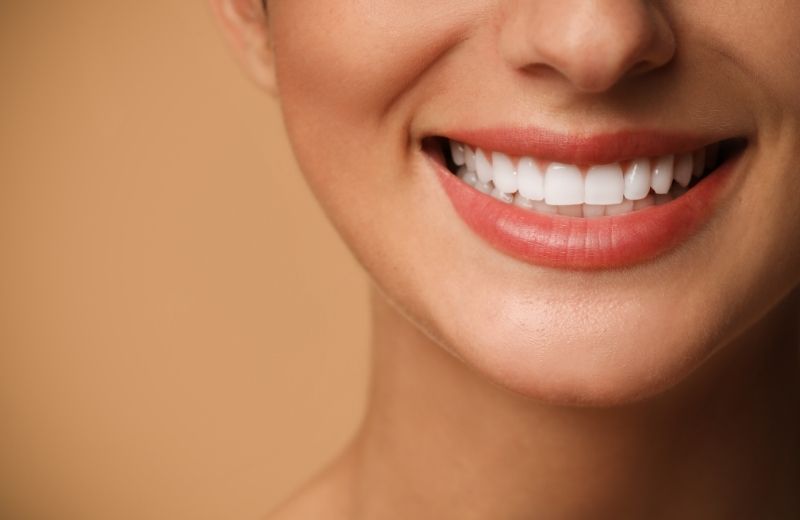
Today, cosmetic dentistry aims not only to enhance the appearance of teeth but also to achieve results that are harmonious with a person's facial features, jaw structure, and smile. Every individual's teeth and facial structure are unique; therefore, personalized planning, rather than standard solutions, is crucial for cosmetic dental treatments. Personalized planning contributes to achieving natural, long-lasting results, both functionally and aesthetically.
Initial Inspection and Detailed Analysis Process
The first step in planning personalized cosmetic dental treatment is a comprehensive examination and analysis. During this process, the dentist will thoroughly examine the patient's teeth, jaw relationship, gum health, and smile line. Digital X-rays, photographs, and intraoral scans will be performed if necessary.
These analyses identify misalignment, discoloration, missing teeth, or gum problems. Factors affecting the patient's facial symmetry and smile aesthetics are also considered. At this stage, it's also important for the patient to express their expectations and aesthetic concerns. Successful planning should aim for a result as close to the patient's desired smile as possible.
Digital Smile Design and Determination of Treatment Options
Today, digital technologies are taking planning in aesthetic dental treatments even further. Digital smile design (DSD) software models a person's existing teeth and facial structure in a computer environment. Using this model, various treatment options (such as laminates, zirconium veneers, E-max crowns, implants, whitening, etc.) can be applied virtually. This allows the patient to preview the potential results before starting treatment.
Both aesthetic and functional factors are considered when developing a treatment plan. For example, if aesthetic adjustments are needed only on the front teeth, laminates or E-max crowns may be preferred. If a problem also affects chewing function, zirconium or implant-supported solutions may be considered. Personalized planning eliminates the "one-size-fits-all" mentality, allowing the most appropriate option to be determined.
Treatment Application and Subsequent Follow-up Process
Once planning is complete, the designated treatment steps are implemented in stages. In some cases, just a few sessions are sufficient, while other times, a more comprehensive process may be necessary. For example, one patient may only undergo whitening, while another may require a combination of orthodontics, implants, and veneers.
The process isn't complete once treatment is completed. Regular dental checkups, professional cleanings, and personal oral hygiene habits are crucial for long-term success. One of the most important aspects of personalized planning is ensuring sustainable aesthetics and function not only during treatment but also afterward.
Personalized planning for aesthetic dental treatments not only increases patient satisfaction but also enables more natural, healthy, and long-lasting results. From the initial consultation and digital planning to treatment and regular checkups, every step is tailored to the individual. Therefore, for an aesthetically pleasing smile, it's crucial to communicate thoroughly with your dentist and ensure a plan tailored to your needs.
This text is intended to provide general information. The appropriate treatment method for each patient may vary, and therefore, a dentist who is an expert in the field should be consulted. Before making any decision regarding dental health, it is of great importance that you have a detailed examination and consultation with your physician. These articles are for informational purposes only and are not intended to replace professional medical advice.


 by
by