
 English
 Türkçe
 Français
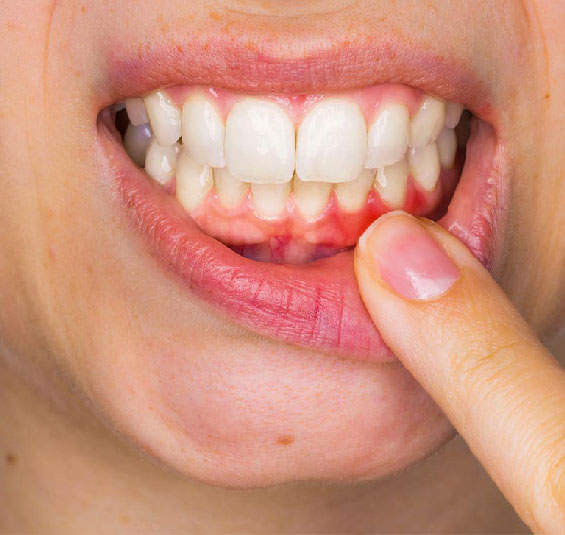
Diabetes is not just a metabolic disease affecting blood sugar levels; it also directly impacts many systems, from the immune system to vascular health. One of the most frequently overlooked of these effects is oral and gum health. Scientific data shows a strong, bidirectional link between diabetes and gum disease. In other words, while diabetes affects the gums, gum disease can make blood sugar control more difficult.
Why does diabetes make gums more vulnerable?
High blood sugar levels reduce the body's resistance to infections. This weakens the gum tissue's defense against bacteria. Diabetes can also cause problems such as decreased saliva production and dry mouth. Saliva is a natural defense mechanism that removes bacteria and maintains oral balance. When it decreases, plaque buildup accelerates, and the risk of developing gingivitis increases.
Slower wound healing in individuals with diabetes is also a significant factor. Even a minor gum infection can take a long time to heal and can progress, damaging bone tissue. Therefore, gum disease can be more severe and progress faster in diabetic patients.
How does gum disease affect blood sugar?
The other aspect of the relationship is just as important as the first. Gum disease leads to chronic inflammation in the body. This persistent inflammation can reduce the effectiveness of insulin, making blood sugar control more difficult. In other words, untreated gum disease can cause diabetes to progress more erratically.
Studies show that diabetic patients who undergo gum treatment can achieve more stable blood sugar levels. This reveals that oral health is an integral part of diabetes management. Healthy gums, not just medication or dietary changes, play a role in blood sugar control.
What can be done to reduce the risks?
Regular oral hygiene is vital for individuals with diabetes. Brushing your teeth at least twice a day, flossing, and using antibacterial oral care products reduces the risk of gum inflammation. In addition, regular dental checkups allow for the early detection of problems that may not yet show symptoms.
Maintaining blood sugar control directly affects gum health. A balanced diet, regular physical activity, and adherence to the treatment plan recommended by your doctor help in better managing both diabetes and oral infections. Quitting smoking, if you smoke, significantly reduces the risk of gum disease.
This text is intended to provide general information. The appropriate treatment method for each patient may vary, and therefore, a dentist who is an expert in the field should be consulted. Before making any decision regarding dental health, it is of great importance that you have a detailed examination and consultation with your physician. These articles are for informational purposes only and are not intended to replace professional medical advice.


 by
