
 English
 Türkçe
 Français
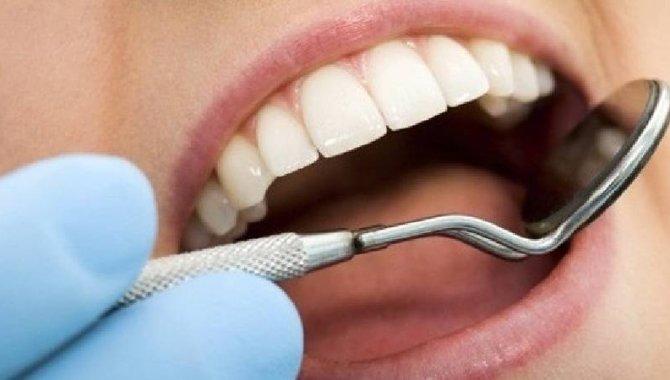
Teeth and oral tissues require a specific healing process after trauma, surgical procedures, or infections. Proper wound healing is crucial for treatment success, especially when dental nerves are affected or after surgical procedures such as implants or tooth extractions. Modern dental practices aim to provide patients with a more comfortable recovery experience through approaches that both protect nerve tissue and promote wound healing.
Nerve damage is not always permanent. Depending on the cause and degree of damage and the treatment method applied, nerve tissue can heal over time. Therefore, early diagnosis and proper treatment planning are of great importance.
What Causes Dental Nerve Damage and How is it Treated?
Dental nerves can be affected by trauma, impacted tooth surgery, implant placement, jaw surgery, advanced infections, or, rarely, certain dental treatments. When nerve damage occurs, numbness, tingling, loss of sensation, or rarely pain may be experienced in the lip, jaw, or tongue area.
When these symptoms appear, you should consult a dentist or oral surgeon immediately. First, a detailed clinical examination will be performed, and if necessary, three-dimensional imaging techniques will be used to assess the condition of the nerve.
Treatment is planned according to the cause of the damage. While some mild nerve injuries may heal with regular monitoring, some cases may require medication or advanced surgical interventions. The goal is to relieve pressure on the nerve and support the natural healing process.
During treatment, it is crucial for the patient to follow the recommendations, not miss any follow-up appointments, and protect the treated area from trauma for a successful recovery.
Factors that Support Wound Healing
Although oral tissues are among the fastest healing areas in the body, proper care is essential for a healthy healing process. Protecting the wound area after the procedure, reducing the risk of infection, and following the doctor's recommendations positively affect the healing process.
Avoiding smoking and alcohol in the initial days is one of the most important factors in accelerating wound healing. In addition, a balanced diet, including sufficient protein, vitamins, and minerals, contributes to faster tissue regeneration. Nutrients such as vitamin C and zinc play a particularly important role in wound healing.
Maintaining oral hygiene is also crucial in preventing infections. However, cleaning should be done carefully, without irritating the treated area, and in the manner recommended by your dentist.
Some modern dental practices also utilize laser technologies, methods that support biological healing, and personalized healing protocols. The appropriate method is determined based on the patient's clinical condition.
Proper Follow-up, Healthy Recovery.
Dental nerve damage and wound healing processes can vary from person to person. The most important point is that the symptoms should not be ignored and the treatment process should be carried out under the supervision of a specialist. Early intervention significantly contributes to both the preservation of nerve function and the healthy healing of wound tissue.
Regular check-ups after dental treatments, following oral hygiene recommendations, and consulting your dentist promptly if you experience any problems will help you have a faster and more comfortable recovery process.


 by
