
 English
  Türkçe
  Français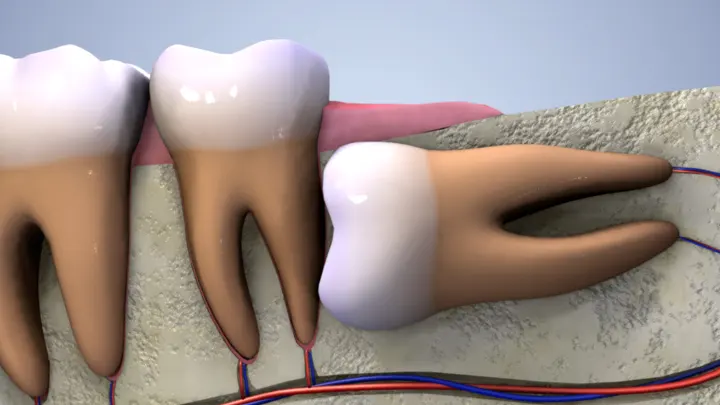
Wisdom teeth often remain impacted or erupt in the wrong position because they don't have enough space in the jawbone. This can lead to problems such as pain, infection, and damage to neighboring teeth. Therefore, dentists recommend wisdom tooth extraction when necessary. Although this procedure is now quite safe and routine, there are some important points to consider both before and after the procedure.
Things to Consider Before Shooting
The most important step before wisdom tooth extraction is a thorough examination and proper planning. Your dentist will evaluate the tooth's position, root structure, and relationship with nerves using X-rays. This allows them to determine the most suitable extraction method.
The patient's overall health is also of great importance before the extraction. Medications, chronic illnesses, and allergies must be shared with the dentist. Particular precautions should be taken for individuals using blood thinners.
It is generally recommended to eat a full meal on the day of the procedure, as dizziness may occur after procedures performed on an empty stomach. Additionally, avoiding smoking and alcohol consumption before the procedure positively impacts the healing process.
The patient's anxiety level should also be considered. If necessary, supportive methods such as sedation can be applied as recommended by the physician. This allows the patient to have a more comfortable experience.
What precautions should be taken during the post-exposure recovery process?
The healing process after wisdom tooth extraction usually begins within a few days and progresses smoothly with proper care. The first 24 hours are the most critical period. Protecting the clot that forms after extraction is very important for healthy healing. Therefore, spitting, gargling, or using a straw is not recommended during the first day.
Kanama kontrolü için hekimin verdiği tampon belirli bir süre ısırılmalıdır. Hafif sızıntı şeklinde kanama normaldir, ancak yoğun kanama durumunda diş hekimine başvurulmalıdır.
Şişlik ve ağrıyı azaltmak için ilk 24 saat boyunca dışarıdan soğuk kompres uygulanabilir. Hekimin önerdiği ağrı kesiciler düzenli kullanılmalı ve ilaçlar aksatılmamalıdır. İlk birkaç gün yumuşak ve ılık gıdalar tüketilmeli, sıcak yiyecek ve içeceklerden kaçınılmalıdır.
Maintaining good oral hygiene speeds up healing. However, direct contact with the extraction site should be avoided, and teeth should be brushed gently. Smoking should be stopped for at least a few days, as it delays healing and increases the risk of infection.
Possible Complications and Precautions
As with any surgical procedure, complications can rarely occur during wisdom tooth extraction. One of these is a condition called "dry socket." This occurs when the clot that forms after extraction becomes dislodged, exposing bone tissue and potentially causing severe pain. To minimize this risk, the doctor's recommendations must be followed precisely.
In addition, if you notice any signs of infection such as excessive swelling, fever, or bad odor, you should consult a dentist immediately.
Wisdom tooth extraction is a relatively safe procedure with proper planning and appropriate care. Providing your dentist with accurate information before the extraction and following their instructions afterward will greatly facilitate the healing process.
It should be remembered that a conscious patient approach both reduces the risk of complications and ensures a faster and more comfortable recovery. For a healthy oral structure, not hesitating to have wisdom tooth extraction when necessary and acting under expert supervision is the most appropriate step.
This text is intended to provide general information. The appropriate treatment method for each patient may vary, and therefore, a dentist who is an expert in the field should be consulted. Before making any decision regarding dental health, it is of great importance that you have a detailed examination and consultation with your physician. These articles are for informational purposes only and are not intended to replace professional medical advice.


 by
by