
 English
 Türkçe
 Français
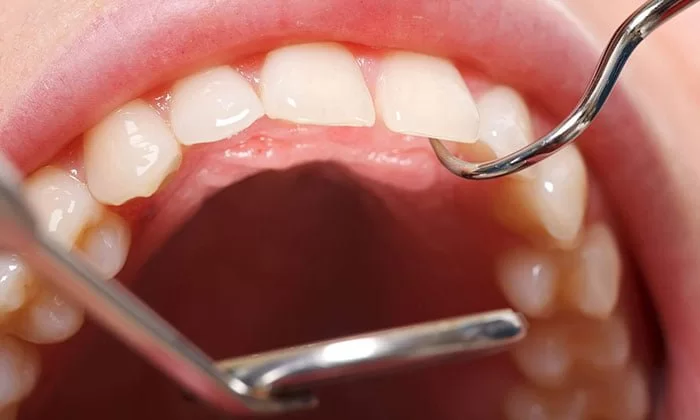
Facing the risk of tooth loss due to toothache, decay, fractures or gum disease is one of the major oral and dental health problems many people experience. However, a damaged tooth does not always mean that it needs to be extracted. Ankara tooth rescue treatmentscover different procedures that aim to keep natural teeth in the mouth as long as possible, preserve their function and support oral health.
Which treatment will be applied is determined by the extent of the damage to the tooth, the condition of the roots, the spread of infection and the health of the tissues surrounding the tooth. Therefore, the first step is to identify the source of the problem with a comprehensive dental examination.
Fillings and Restorative Treatments for Tooth Rescue
When tooth decay is detected at an early stage, treatments that preserve healthy tooth tissue as much as possible can be applied. After the decay is removed, the lost tissue can be restored with a dental filling. In cases where the damage is more extensive, different restorative solutions can be considered to support the structure and chewing function of the tooth.
Inlay and onlay restorations, as an option between a filling and a crown, can be used to repair the damaged part of the tooth. In some teeth with more extensive loss of structure, a crown can help protect the remaining tooth tissue. The success of the treatment is closely related to the amount of remaining healthy tooth tissue and proper planning of the restoration.
The main goal here is to restore the strength and function of the tooth without causing unnecessary tissue loss.
Keeping the Tooth in the Mouth with Root Canal Treatment
Deep cavities, trauma or advanced dental problems can affect the nerve and blood vessel tissue inside the tooth. In such cases, root canal treatment is one of the important options considered to preserve the tooth without extraction.
In root canal treatment, infected or irreversibly damaged pulp tissue is removed, and the root canals are cleaned, shaped and filled with suitable materials. Then, depending on the condition of the tooth, a restoration such as a filling or crown can be placed.
In teeth that have had root canal treatment before but have developed problems again, root canal retreatment may be considered. In some special cases, a surgical procedure called apical resection may be considered to treat infection at the root tip. Microscope-assisted endodontic procedures can help examine the treatment area in detail in suitable cases.
However, not every tooth can be saved. The treatment decision should be made by taking into account the current condition of the tooth and the likelihood of its long-term preservation.
Protecting Teeth with Gum Treatments
It is not only tooth tissue that keeps teeth in the mouth. The gums, periodontal ligaments and jawbone also play an important role in keeping teeth healthy. Symptoms such as bleeding gums, gum recession, swelling and loose teeth may be signs of periodontal disease.
In the early stages of gum disease, professional tartar cleaning and proper oral hygiene practices are important. In more advanced cases, cleaning of deposits below the gum line, periodontal treatments or surgical procedures deemed necessary can be considered. The approach to gum recession and loss of the tissues supporting the teeth varies according to the level of the disease.
Early diagnosis and regular follow-up are important for keeping the progression of the disease under control and increasing the likelihood of teeth remaining in the mouth for a long time.
Treatment of Broken, Cracked and Traumatized Teeth
Cracks and fractures can occur in teeth due to a blow, a fall, biting a hard object or a teeth-clenching habit. In some cases where the damage is limited to the upper part of the tooth, repair can be done with methods such as fillings, composite restorations or crowns. If the inner tissue of the tooth has also been damaged, root canal treatment may be required.
Rapid evaluation is important in dental trauma. Especially for teeth that have been knocked out, displaced or noticeably broken, a dentist should be consulted without delay. The treatment option depends on factors such as the location of the fracture and the condition of the root structure.
What Options Are There When a Tooth Cannot Be Saved?
In some teeth, it may not be possible to preserve the tooth due to advanced tissue loss, a vertical root fracture or an infection that cannot be controlled. In such cases, extraction may be considered the most suitable option for oral and general health.
Implant-supported restorations, bridges or removable dentures can be considered to fill the gap left after tooth extraction. Bone structure, neighboring teeth, general health and the patient's expectations affect the treatment plan. Although options such as implants do not save the natural tooth, they can help restore the function and appearance of the missing tooth.
The Dental Estetik Center Approach to Tooth Rescue Treatments in Ankara
For those in Ankara who want to protect their teeth without losing them, Dental Estetik Centerstands out with its comprehensive service approach that can evaluate different dental treatments together. Serving since 1993, the center offers a range of treatment areas such as restorative treatments, microscope-assisted root canal treatment, root canal retreatment, apical resection, gum treatments and digital dentistry.
The center's approach of personalized treatment planning and effective use of technology contributes to evaluating options suited to the current condition of the tooth. The aim is to preserve natural tooth tissue where possible, support the function of the tooth and look after long-term oral health.
If you are experiencing a toothache, fracture, decay or gum problem, it is important to get a professional evaluation without waiting for your complaints to progress. As a result of an examination at Dental Estetik Center, whether the tooth can be saved can be evaluated and information can be provided about suitable treatment alternatives.


 by
