
 English
 Türkçe
 Français
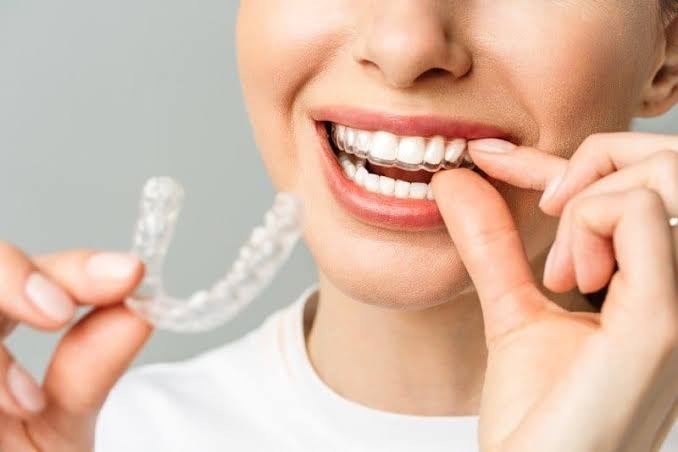
Your education plan can be considered together with orthodontic treatment
“I'm going abroad for university. Should I wait until graduation to correct the crowding in my teeth?” For some students, clear aligner treatment can be continued alongside their education. Whether this is suitable is determined by evaluating the teeth, the bite and oral health. The student's access to check-up appointments and adherence to daily wear are also important.
The question on parents' minds is often different: “If treatment starts here, who will take care of it if a problem arises while they are away?” This question needs to be discussed during the planning stage, not after treatment has started. Being able to put the aligners in a suitcase does not by itself mean that the follow-up plan is ready.
Which issues should be clarified before leaving
The necessary clinical records are taken during the initial evaluation. The possible stages of treatment, where check-ups will be done and situations that may require in-person procedures are explained. Small attachments placed on the teeth, interproximal adjustments made when necessary or the need for additional aligners may require a clinic visit.
The plan for a student who cannot come to Türkiye for a year will not be the same as for a student who can return at regular intervals. If regular local follow-up is not possible, it may be necessary to reconsider when treatment starts or to evaluate treatment options in the country where you are. Fitting check-up needs into the academic calendar should not mean giving up safe follow-up.
What video monitoring provides
Photos requested by the dentist and video consultations can provide information about aligner fit and the wearing process. However, a complete evaluation of tooth movements and surrounding tissues cannot be made with phone images alone. Regular clinical check-ups are part of the treatment.
That is why a general promise like “You never need to come while you are abroad” is not accurate. The frequency of video monitoring, the location of in-person check-ups and emergency communication should be written into the personal plan. The student should know in which situations they need to contact their dentist before moving on to the next aligner.
If an aligner is lost or does not fit
Do not replace a lost, broken or poorly fitting aligner with a different one on your own. Inform your dentist about the situation and which stage you are at; get personalized guidance on using the previous or next aligner. If there is noticeable pain or swelling, do not interpret it merely as “the teeth are moving.”
When traveling, it is helpful to carry your current aligners, the previous set your dentist wants you to keep and a protective case where you can easily reach them. Putting aligners in their case instead of wrapping them in a napkin and leaving them on the table is a simple habit that reduces the risk of loss. Wear and cleaning instructions should be followed as recommended by the treatment team.
Parental support and the student's responsibility
Clear aligner treatment requires regular wear and attending follow-ups. Instead of the family checking every day, the student can be encouraged to set up reminders, keep track of appointments and report problems in a timely manner. The retention period at the end of treatment should also be part of the initial plan.
When applying to Dental Estetik Center, share your university calendar, the city you live in and how often you return to Türkiye. Whether clear aligners are suitable for you can be determined by evaluating your follow-up conditions together with your aesthetic expectations.


 by
