
 English
 Türkçe
 Français
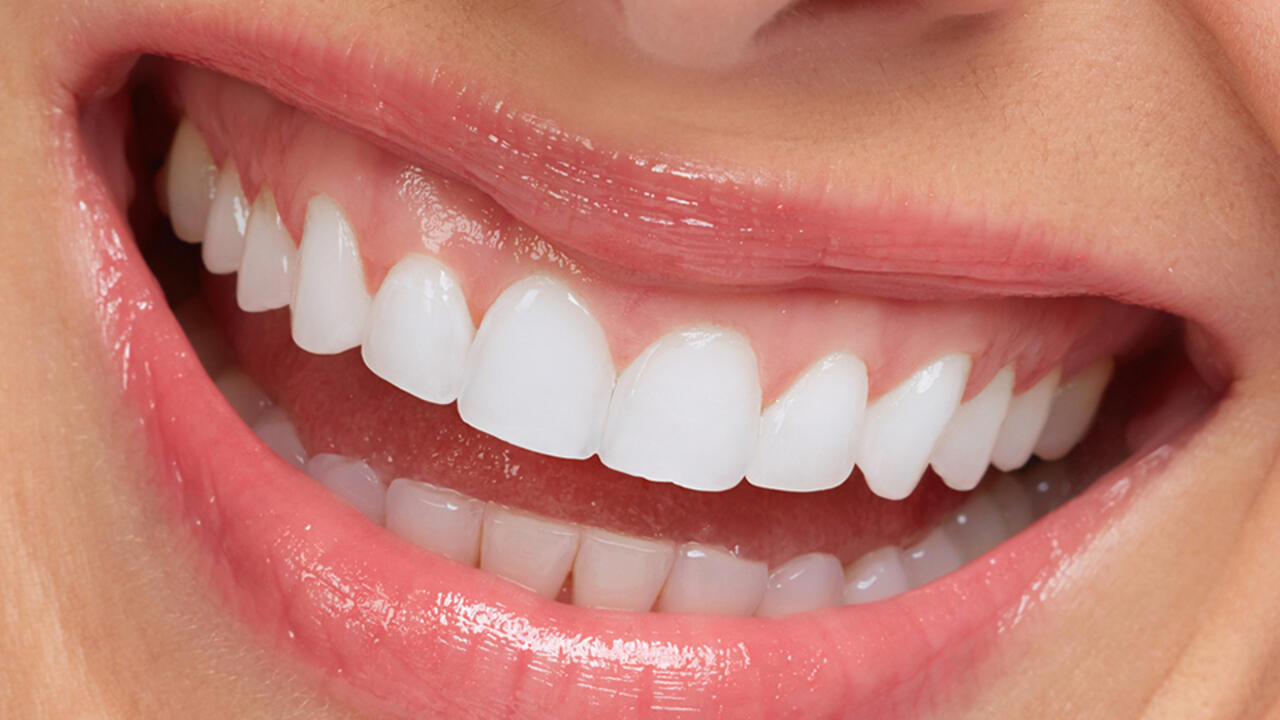
Composite veneers are one of the restorative approaches that can be considered for adults who want their front teeth to look more balanced in terms of color, shape, small gaps or surface irregularities. Suitability is not determined by aesthetic expectations alone. Gum health, caries risk, the bite relationship of the teeth, existing restorations and daily oral care habits are all assessed together. For this reason, the same material, shape or planning approach is not considered suitable for every mouth.
Composite veneers are an option that seeks a balance between an aesthetic appearance and the preservation of natural tooth tissue. However, their long-term appearance is influenced not only by the quality of the material but also by oral hygiene, dietary habits, teeth clenching and regular dental check-ups.
What are composite veneers?
Composite veneers are an aesthetic restoration made by shaping tooth-colored composite resin material, particularly on the visible surfaces of the front teeth. The aim is to refine color, form, surface texture and harmony between the teeth while preserving the natural tooth structure as much as possible. During the procedure, the composite material is applied in layers, hardened with light and shaped to blend in with the surrounding tissues of the tooth.
The procedure is not simply a matter of adding material to the tooth. The light transmission of the natural tooth, the color of the neighboring teeth, the lip line, the amount of tooth visible when smiling and the gum level are also evaluated. A small chip or worn corner on a single front tooth may be addressed with a composite addition limited to that area. When color and shape harmony across several teeth is the goal, more comprehensive aesthetic planning may be required.
Composite materials may change over time in terms of surface gloss, color match or margin integrity. For this reason, aftercare is one of the key factors in maintaining the aesthetic appearance.
Who can they be considered for?
Composite veneers may be considered for adults with small differences in the shape of their front teeth, a slightly crowded appearance, narrow gaps between teeth, limited chips, wear or color mismatches. Teeth that appear to differ in length, irregular biting edges or old aesthetic fillings that no longer match in color may also be among the reasons for an evaluation.
For example, a naturally occurring narrow gap between two front teeth may be balanced with composite material if the overall size of the teeth and the bite relationship are suitable. For superficial corner loss caused by pen biting or minor trauma, a restoration that matches the existing shape of the tooth can also be planned. The main goal is to preserve facial proportions and bite balance without making the teeth look larger than necessary.
Pronounced crowding, severe discoloration, extensive tooth structure loss, heavy clenching, active cavities or uncontrolled gum problems may require other approaches to be considered. The difference between composite veneers and porcelain veneers becomes important at this stage. The choice of material is determined not only by the aesthetic goal but also by the amount of tooth tissue, functional loads and maintenance expectations.
What is examined before planning?
Composite veneer planning is not based solely on looking at the front surfaces of the teeth. First, cavities, cracks, the margins of old fillings and the condition of the enamel surface are assessed. A healthy and clean surface is needed for the composite material to bond to the tooth. In areas with active decay or leakage, the priority is to address the existing problem rather than aesthetic refinement.
Gum health is also an important part of planning. Bleeding, swelling, recession or an uneven gum level can affect the margin fit and appearance of the restoration. Gum lines at different levels can cause even two teeth planned in the same color and shape to be perceived differently when smiling. Periodontal health, meaning the condition of the tissues surrounding the teeth, is one of the fundamental steps of an aesthetic decision.
The contact relationships of the lower and upper teeth during chewing, swallowing and various jaw movements are evaluated. In a normal resting position, the teeth usually do not touch each other. Habits such as clenching, night-time grinding, nail biting, chewing ice or opening packages with the front teeth can increase the risk of fracture or wear in the restoration. Digital photographs, models and any imaging deemed necessary help personalize the plan.
Maintenance and limitations
Caring for composite veneers cannot be separated from caring for natural teeth. Brushing twice a day with the proper technique, cleaning between the teeth and maintaining regular oral hygiene help reduce plaque build-up at the restoration margins. Tea, coffee, colored drinks, tobacco products and inadequate cleaning can contribute to discoloration of composite surfaces over time.
Cracking hard-shelled foods with the front teeth, chewing ice, biting pens or opening packages can place unwanted forces on both natural teeth and composite restorations. In people who clench their teeth, bite forces should be evaluated. In some cases, approaches such as a protective night guard may be recommended by the dentist.
When necessary, composite veneers can be adjusted, repaired or renewed by the dentist through controlled procedures aimed at preserving tooth tissue. Using abrasive products, hard objects or improper interventions at home can damage both the restoration and the enamel surface.
The lifespan of composite veneers varies from person to person. Oral hygiene, bite forces, habits, diet and addressing maintenance needs in a timely manner all affect this period. When discoloration, surface roughness or minor margin irregularities appear, an early evaluation can help plan more limited adjustments.
Evaluating aesthetic goals and oral health together
Composite veneers are a restoration option that can be considered for small and medium-scale improvements in smile aesthetics. However, sound planning does not focus only on making the teeth look whiter or more symmetrical. Gum tissue, existing tooth structure, bite relationship, caries risk and oral care habits are all taken into account together.
If an aesthetic change is being considered, the first step is a comprehensive oral and dental health evaluation. Depending on the examination results, composite veneers, a different restorative approach or preventive treatments first may be planned. Every treatment plan is shaped according to the individual's oral structure and clinical needs.


 by
