
 English
 Türkçe
 Français
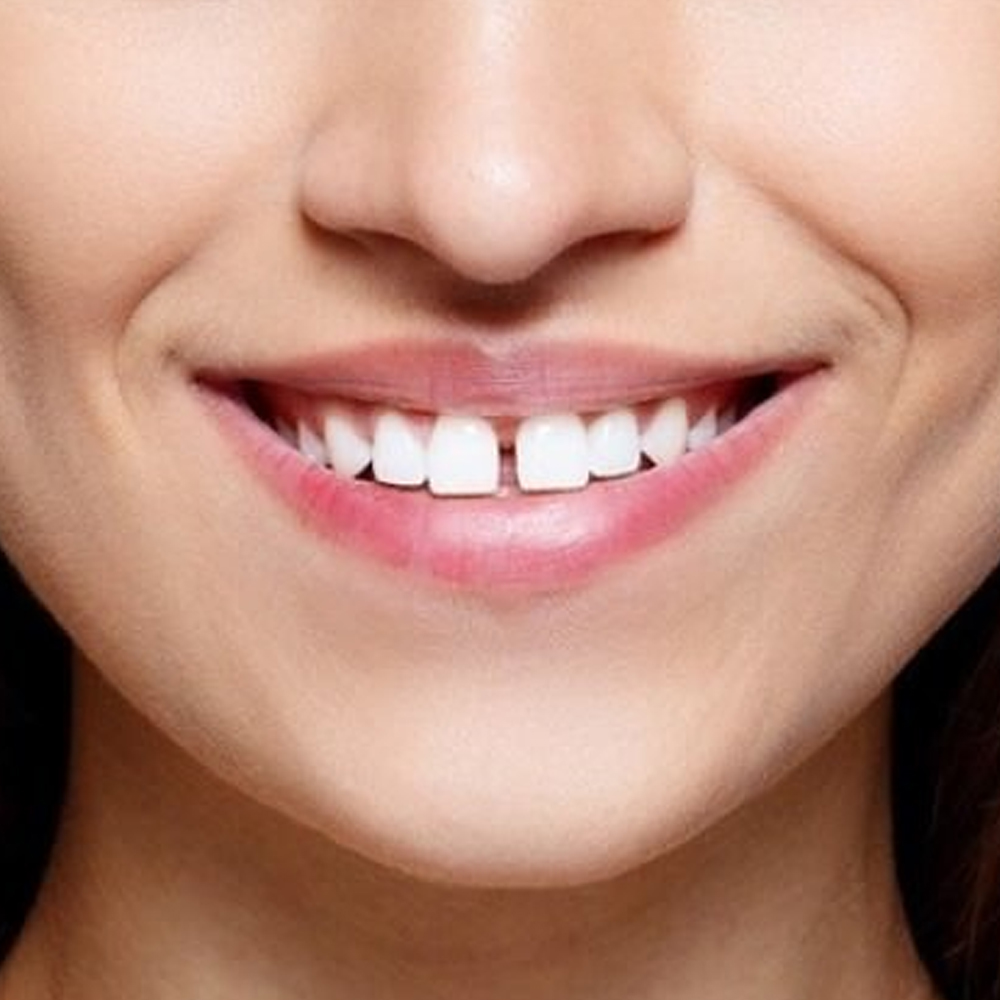
Aesthetic dental fillings are procedures aimed at preserving the natural appearance of teeth while repairing cavities, fractures, and minor deformities. Especially in front teeth, the color harmony of the filling with the surrounding teeth is a crucial part of the aesthetic result. So, can an aesthetic filling that initially appears to blend in with the tooth yellow or change color over time?
In short, yes; composite resin materials used in aesthetic dental fillings can discolor over time. However, not every discoloration is due to the same reason, and not every case requires the filling to be replaced. Surface stains caused by factors such as tea, coffee, and tobacco can sometimes be reduced with professional polishing. However, discoloration inherent in the material itself or a problem at the edge of the filling may require a different assessment. This distinction, made by the dentist, is crucial for determining the correct approach.
Why do cosmetic dental fillings turn yellow or change color?
Factors such as coffee, tea, red wine, and smoking can play a role in discoloration of aesthetic fillers. Over time, abrasion or roughening of the filler surface can also make it easier for stains to adhere. Furthermore, the structure of the composite material used affects its resistance to discoloration. Therefore, not all aesthetic fillers change color at the same rate or to the same extent.
Are all color changes in aesthetic fillers the same?
No. Stains on the surface of the filling can be reduced by cleaning and polishing by a dentist in appropriate cases. However, if the discoloration is due to the structure of the filling material itself, polishing alone may not be sufficient. Dark lines around the edge of the filling do not always mean decay; a dental examination is needed to determine this.
Will the Saran Aesthetic Wave Be Brightened or Renewed?
Not every yellowing filling needs to be replaced. Surface stains and minor imperfections can be removed with professional cleaning and polishing in appropriate cases. Local repair may be considered if the problem is only in a specific area of the filling. If there is more pronounced discoloration, breakage, edge discrepancy, or decay, the filling may need to be replaced. The appropriate procedure will be determined during the examination.
Does Tooth Whitening Aesthetic Wave Whiten?
Tooth whitening can lighten the color of natural teeth; however, existing composite fillings do not whiten in the same way. Therefore, a color difference may appear between natural teeth and fillings after whitening. It is especially important for people with aesthetic fillings in their front teeth to consult their dentist before whitening.
How to Prevent Discoloration in Aesthetic Dental Fillings?
- Brushing your teeth regularly with toothpaste and cleaning between your teeth.
- Avoid abrasive dusts and harsh scrubbing that could damage the filler surface.
- If you notice darkening, cracking, or sensitivity around the filling edge, consult your dentist.
- Regular dental checkups ensure the surface of the filling is assessed and, if necessary, polished.
- Knowing that frequent consumption of staining beverages like tea and coffee can increase discoloration; avoiding smoking.
Frequently Asked Questions
How many years does it take for cosmetic fillers to yellow?
There is no one-size-fits-all timeframe for when aesthetic fillers will change color. The material used, oral hygiene, and dietary habits can all affect this timeframe.
Does drinking coffee cause composite fillings to yellow immediately?
A single cup of coffee doesn't mean your filling will permanently yellow. Frequent and prolonged exposure, along with other factors, can contribute to surface staining.
Can yellowed dental fillings be whitened at home?
At-home whitening products do not lighten the color of composite fillings like natural teeth. Abrasive products can also damage the surface of the filling. A dentist should be consulted to determine the cause of the discoloration.
The edge of my filling has darkened; is there definitely a cavity?
No. Marginal discoloration alone does not diagnose caries. Marginal adaptation, surface condition, and signs of caries are differentiated through clinical evaluation.
Aesthetic Dental Fillings and Color Changes in Ankara
At Dental Aesthetic Center, the color match, surface condition, and edges of composite fillings can be evaluated during a dental examination. If necessary, professional cleaning and polishing, local repair, or filling replacement options are considered. The goal is to maintain the appearance and function of the filling while preserving healthy tooth tissue in appropriate cases.


 by
