
 English
 Türkçe
 Français
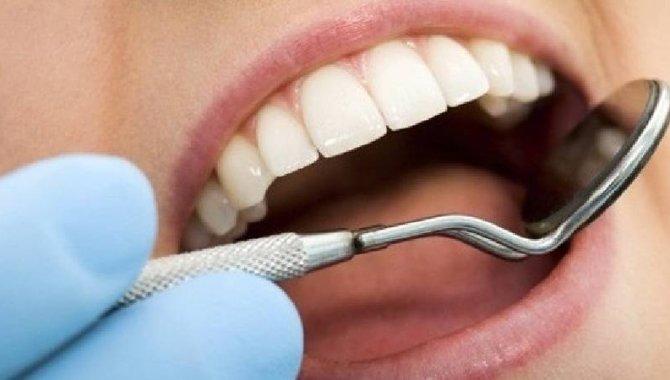
Does Tooth Loss Increase the Risk of Alzheimer's? What Does Science Say?
Is there a link between tooth loss and brain health?
For many years, tooth loss was only evaluated in terms of aesthetics or chewing function. However, recent research shows that the relationship between oral health and overall health is much deeper.
The connections between tooth loss, sleep quality, nutrition, chronic inflammation, and cognitive health are particularly attracting the attention of the scientific community.
So, can tooth loss really increase the risk of Alzheimer's?
The answer to this question is more complex than we think, but it's quite interesting.
The Invisible Link Between Chewing and the Brain
In the human body, chewing is more than just breaking down food.
Teeth, periodontal ligaments, jaw muscles, and the temporomandibular joint constantly send sensory information to the brain. These neurological stimuli generated during chewing activate many areas of the brain.
As tooth loss increases:
- Chewing efficiency may decrease,
- Dietary diversity may decrease,
- Muscle activity may decrease,
- The sensory stimuli reaching the brain may change.
Therefore, researchers have been studying the relationship between oral health and cognitive function for many years.
Can tooth loss affect sleep quality?
An important issue that many people overlook is airway health.
Teeth not only create our smile; they also contribute to the preservation of the jawbone. In particular, multiple tooth loss can lead to a loss of jawbone volume.
These changes occur in some individuals:
- Tongue position,
- The height of the lower surface,
- Chin support,
- Upper airway anatomy
it can affect
Narrowing of the airway during sleep can increase the risk of snoring and obstructive sleep apnea.
The Link Between Sleep Apnea and Dementia
Sleep is one of the most important processes for the brain to cleanse and repair itself.
During deep sleep:
- Memory organization takes place.
- Nerve cells regenerate,
- The removal of metabolic waste from the brain is supported.
People with sleep apnea may experience repeated drops in oxygen levels and micro-awakenings throughout the night.
This situation:
- Memory problems,
- Concentration difficulties,
- Daily performance decline,
- Negative effects on cognitive health in the long term.
can contribute.
Bu nedenle günümüzde birçok araştırmacı uyku apnesini yalnızca bir horlama problemi değil, aynı zamanda beyin sağlığını ilgilendiren bir konu olarak değerlendirmektedir.
Why is the Longevity Dentistry Approach Important?
Modern dentistry is no longer limited to treating only decayed or missing teeth.
The Longevity Dentistry approach we apply at Dental Aesthetic Center aims to holistically evaluate the relationship between oral health, chewing function, airway health, sleep quality, and healthy aging.
Because healthy aging is;
- By breathing healthily,
- By getting quality sleep,
- By chewing properly,
- Having a strong mouth and jaw structure
They are closely related.
Conclusion
Current scientific data does not show that tooth loss directly causes Alzheimer's disease.
However, tooth loss;
- It reduces chewing function,
- It affects nutritional quality,
- It alters airway health,
- It can disrupt sleep quality,
There is strong evidence suggesting that it may be related to cognitive health through mechanisms such as these.
Therefore, missing teeth should not be seen as merely an aesthetic problem.
Perhaps in the future, one of the most important tasks of dentistry will not only be preserving smiles;
sleep,
breath,
brain health
and will be to maintain the quality of life.


 by
