
 English
  Türkçe
  Français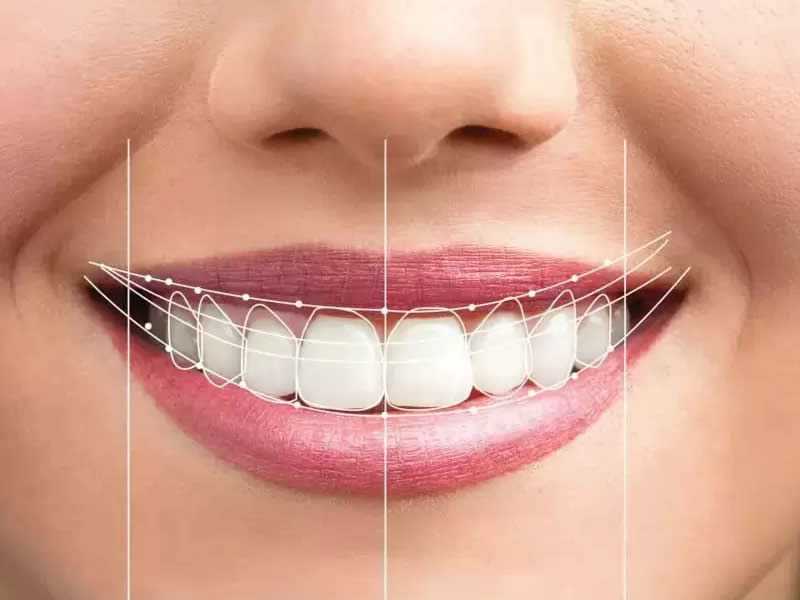
When aesthetic dentistry is mentioned, many people think of procedures where teeth are cut or reduced in size. However, thanks to advancements in digital technologies and modern restorative materials, it is now possible to achieve aesthetic results while preserving natural tooth tissue in suitable cases. This approach, also called "minimally invasive dentistry," aims to improve a person's smile aesthetics with as little intervention as possible to healthy tooth tissue.
Every patient has different oral structure and aesthetic expectations. Therefore, when planning dental aesthetics, not only appearance but also tooth function, jaw structure, and oral health should be evaluated together. In suitable patients, treatments that preserve the natural tooth structure both support long-term oral health and help achieve a natural smile.
Aesthetic Treatments That Preserve Natural Tooth Tissue
Among aesthetic procedures that can be performed without touching the original tooth or with very limited intervention, composite bonding is one of the most frequently preferred methods. In this method, aesthetic composite materials are added to the tooth surface to correct shape deformities, minor fractures, gaps between teeth, or color irregularities. In most cases, there is no need to abrade the tooth tissue.
Another protective option is porcelain veneer treatment, which is applied to suitable patients. Nowadays, in some cases, extremely thin porcelain veneers allow for minimal or no tooth preparation, or even no preparation at all. However, it's important to remember that this isn't possible for every patient. The treatment plan must be determined after a detailed examination and digital analysis.
Tooth whitening (bleaching) treatments are also one of the methods that improve smile aesthetics without damaging natural tooth tissue. When applied professionally, it can lighten the color of teeth by several shades and give them a more vibrant appearance.
Orthodontic treatments and clear aligners are also important options that provide aesthetic improvement without cutting the teeth. By correcting crooked teeth, the need for subsequent aesthetic procedures can be reduced.
Which patients is it suitable for?
Aesthetic treatments that preserve natural tooth tissue may be suitable for individuals with minor shape irregularities, gaps between teeth, slight discoloration, or minor fractures and wear. However, patients with severe crowding, significant tooth structure loss, or serious bite disorders may require different treatment methods.
Therefore, a detailed clinical examination is crucial in the initial stage. Digital photographs, intraoral scans, and smile analysis allow for a comprehensive assessment of the individual's facial features, lip structure, and tooth proportions. This enables the creation of the most appropriate treatment plan, considering both aesthetics and function.
One of the most important advantages of preventive aesthetic approaches is that the natural tooth structure is preserved as much as possible. Because healthy tooth tissue is always the most valuable tissue. Avoiding unnecessary abrasion contributes to the teeth remaining healthy for many years.
Maintaining good oral hygiene after treatment is crucial. Regular brushing, flossing, and regular dental checkups help preserve the aesthetic results for a long time.
Conclusion: The most beautiful smile is the one that retains its naturalness.
Modern aesthetic dentistry aims not only to create white and straight teeth, but also to preserve natural tooth tissue. In suitable patients, successful aesthetic results can be achieved with minimally invasive methods, either without touching the teeth at all or with very limited intervention.
A thorough dental examination is essential to determine which aesthetic procedure is right for you. With personalized preventative treatments, you can both preserve your natural teeth and enjoy a healthy, aesthetically pleasing, and natural-looking smile for many years to come.


 by
by