
 English
 Türkçe
 Français
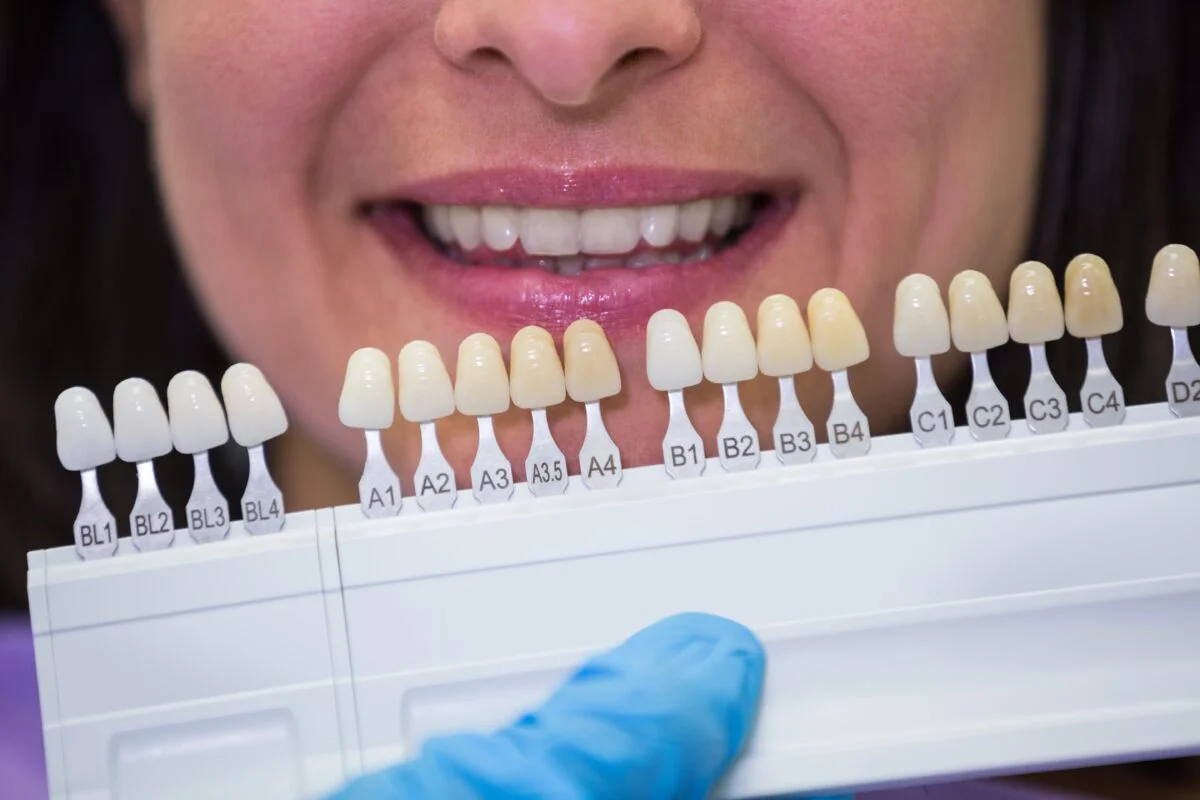
“I'm going to start university in a new country. I want to have an aesthetic smile, but I also don't want to have problems with my teeth while I'm away.” This expectation is a reminder that the treatment decision should not be based on appearance alone. Composite laminates can be a suitable option for some students. The decision should be made by evaluating oral health, the bite, the expected change and care conditions together.
Parents' question, “If we have it done now, will it break while they're away?”, is also part of the consultation. No restoration can be guaranteed to be problem-free. That is why, when discussing the aesthetic result, the follow-up and possible repair plan should also be discussed.
What is a composite laminate
A composite laminate is a restoration made by shaping tooth-colored composite material on the front surface of the tooth. In selected cases, it can be used to correct small differences in shape, gaps and some aesthetic flaws. The amount of tooth preparation required varies from person to person; it is not correct to say “no reduction is done at all” for everyone.
When you come for a consultation, it is important to describe what bothers you. Instead of saying “I want all my teeth changed”, talking about, for example, a specific gap or a tooth that looks short makes it easier to evaluate the scope of the procedure needed.
It may not be the first option for every aesthetic expectation
First, the health of the teeth and gums is evaluated. If there are cavities or gum disease, these should be addressed. A teeth-clenching habit and bite relationships can also affect the choice of treatment. For some people, whitening, orthodontic treatment, a limited composite addition or monitoring without any procedure may be more suitable.
Understanding the student's own wishes is also important. If the family's expectations differ from the look the student wants, it is helpful to discuss these openly before making a decision. Rather than copying another smile from a photo exactly, the person's tooth structure and expectations should be evaluated.
How living abroad affects the treatment decision
Composite restorations can offer an advantage in that they can be repaired when necessary. However, discoloration, wear or chipping may occur; compared to porcelain, they are less resistant to staining and wear. Being easy to repair does not mean they do not require check-ups.
So when making a decision, ask these questions: Where will I have the necessary check-ups? Who will I contact if I notice a change? Is my academic calendar suitable for follow-up? Can I access a local dentist if necessary? If the answers to these are unclear, it is possible to reconsider the timing of the treatment.
Don't squeeze the procedure into the last day of your trip
Leave time for the examination, discussion of treatment options, the procedure and any check-up that may be needed. There is no single preparation time for every patient. The number of teeth and the procedures required can affect the schedule. Tell your dentist your flight date from the start; if you will not have the opportunity for a check-up later, be sure to mention this.
During the care consultation, discuss your cleaning habits and the behaviors to watch out for to protect the restorations. If a fracture occurs, do not try to glue it at home. If there is pain or swelling, do not consider it only an aesthetic problem.
Frequently Asked Questions
Will composite laminates definitely look natural? The appearance depends on the chosen color, shape, application and the person's tooth characteristics. Expectations are evaluated during the examination; no guarantee of results is given.
Since I will be studying abroad, do I have to choose porcelain? No. Moving to another country alone does not determine the choice of material. The tooth preparation, care and follow-up required by the alternatives should be evaluated together.
During your consultation at Dental Estetik Center, you can share the change you want and your academic calendar. The goal is to evaluate your aesthetic expectations together with your oral health and a sustainable care plan.


 by
