
 English
 Türkçe
 Français
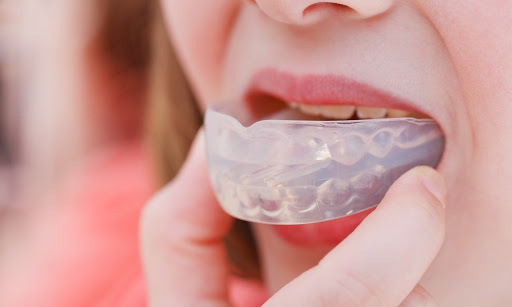
While exercising, maintaining oral and dental health is just as important as protecting muscles, joints, and overall body health. Pain, infections, tooth sensitivity, or trauma in the mouth can negatively impact an athlete's nutrition, sleep patterns, training consistency, and quality of life.
Sports dentistry encompasses the prevention, early diagnosis, and planning of personalized preventive treatments for oral and dental problems that amateur and professional athletes may encounter.
Why is Oral and Dental Health Important for Athletes?
Healthy teeth and gums help maintain an athlete's comfort in daily life. Regular dental checkups aim to prevent unexpected dental problems that may arise during competitions or intense training periods.
Maintaining oral and dental health in athletes:
* It helps prevent interruptions to training due to pain and tenderness.
* It enables the early detection of oral infections.
* It contributes to maintaining a healthy and balanced diet.
* It can reduce the impact of dental and jaw injuries that may occur during sports.
* It helps the athlete feel more comfortable and secure.
* Reduces the risk of experiencing unexpected dental problems during competitions and tournaments.
Common Oral and Dental Problems in Athletes
Depending on the type of sport, diet, and training intensity, athletes may experience certain oral and dental problems more frequently.
Dental and Jaw Trauma
In sports involving contact or a risk of falling, such as football, basketball, volleyball, handball, combat sports, cycling, and similar activities, the following injuries can occur:
* Tooth fractures and cracks
* Tooth displacement or displacement
* Lip, tongue, and cheek injuries
* Jawbone and temporomandibular joint trauma
* Damage to existing fillings or restorations
Tooth Decay
Frequent consumption of sugary sports drinks, energy gels, bars, and carbohydrate-rich snacks can affect the oral environment. Frequent consumption of these products throughout the day and inadequate oral hygiene can increase the risk of tooth decay.
Tooth Erosion
Frequent consumption of acidic sports and energy drinks can cause erosion of tooth enamel over time. As a result of tooth erosion:
* Tooth sensitivity
* Dullness on the tooth surface
* Yellow or translucent appearance
* Thinning of tooth edges
* Discomfort during chewing
Symptoms such as these may occur.
Dry Mouth
Mouth breathing during intense exercise, fluid loss, and insufficient water intake can lead to a decrease in saliva production. A decrease in the protective effect of saliva can increase the risk of cavities, bad breath, and gum problems.
Teeth Grinding and Temporomandibular Joint Problems
Teeth grinding can develop during performance stress, intense concentration, and physical exertion. As a result, the following may occur:
* Jaw fatigue in the mornings
* Pain in the head and face
* Wear or cracks in the teeth
* Clicking sounds from the temporomandibular joint
* Difficulty opening the mouth
visible.
What is a Sports Mouthguard?
A sports mouthguard, or sports mouthguard, is a special appliance that helps protect teeth, lips, tongue, and surrounding tissues from impacts during sports.
It is particularly recommended for sports with a risk of contact, collision, or falls.
Advantages of Custom-Made Sports Mouthguards
Custom-made sports mouthguards, prepared by a dentist according to the athlete's mouth measurements:
* Fit more snugly to the teeth.
* Don't easily come off during sports.
* Interfere less with speech and breathing.
* Help distribute forces across the teeth.
* May be more comfortable than ready-made mouthguards.
* Can be planned according to the athlete's age, sport, and dental structure.
For athletes undergoing orthodontic treatment or wearing braces, it is important that the mouthguard is prepared to suit the existing treatment.
Which Sports Can Use Mouthguards?
Mouthguards are not only for professional athletes. Protective planning can be done in many activities where there is a risk of impact and falls:
* Football
* Basketball
* Volleyball
* Handball
* Boxing and kickboxing
* Karate, taekwondo and other martial arts
* Wrestling
* Hockey
* Rugby
* Cycling
* Skateboarding
* Gymnastics
* Skiing and snowboarding
Appropriate protective equipment should be selected by evaluating the level of contact in the sport, the age of the athlete, and the existing oral structure.
Do sports drinks harm teeth?
Some sports and energy drinks may contain sugar and acid. Frequent consumption of these drinks, holding them in the mouth for a long time, or drinking them in small sips over hours can increase the risk of tooth decay and erosion.
To protect your teeth:
* Water should be the primary choice for daily fluid intake.
* Sports drinks should not be consumed unnecessarily and frequently.
* Drinks should not be held in the mouth.
* The mouth can be rinsed with water after consumption.
* Teeth should not be brushed vigorously immediately after consuming acidic drinks.
* An individual nutrition program should be planned with a dietitian and relevant health professionals.
Daily Oral Care Recommendations for Athletes
* Brush your teeth twice a day for two minutes each time.
* Use fluoride toothpaste as recommended by your dentist.
* Clean between your teeth daily with dental floss or an appropriate interdental brush.
* Drink enough water throughout the day.
* Limit the frequency of consumption of sugary and acidic products.
* Do not ignore symptoms such as dry mouth, bleeding, sensitivity, or pain.
* Clean your sports mask after each use.
* Store the mask in a clean, perforated box.
* Consult your dentist before continuing to use a damaged or ill-fitting mask.
* Schedule your regular dental check-ups according to your training and competition schedule.
What is Evaluated During a Pre-Sports Dental Check-up?
During a specialized oral and dental examination for athletes, the following can be assessed:
* Tooth decay
* Gum health
* Old fillings and restorations
* Impacted or potentially problematic wisdom teeth
* Symptoms of teeth grinding
* Temporomandibular joint (TMJ)
* Dry mouth
* Tooth erosion
* Risk of trauma
* Need for an athlete's splint
.
Identifying any conditions requiring treatment before training camps, tournaments, or competitions is crucial to prevent disruption to the athlete's schedule.
What to Do in Case of Dental Trauma?
If a tooth is injured during sports, a dentist should be consulted immediately.
* If the broken tooth fragment can be found, it should be kept in a clean container.
* A completely dislodged permanent tooth should not be held by the root portion.
* The surface of the tooth should not be rubbed or cleaned with chemical substances.
* Even if no apparent problems are seen after the injury, a dental check-up should be performed.
* Bleeding, etc.
In cases of trauma, professional evaluation should not be delayed, as the correct intervention may vary depending on the type of injury and the patient's age.
Oral and Dental Health in Child Athletes
Since children's jaw development and tooth alignment are ongoing, sports mouthguards need to be checked regularly. Due to growth, eruption of new teeth, or orthodontic treatment, the current guard may lose its fit over time.
In child athletes:
* The fit of the mouthguard should be checked at regular intervals.
* Trauma to primary and permanent teeth should be evaluated without delay.
* Attention should be paid to the frequency of consumption of sugary sports products.
* Oral care should be regularized with the support of family and coach.
Frequently Asked Questions About Oral and Dental Health in Athletes
Ready-made sports mouthguard or custom-made sports mouthguard?
Ready-made products are produced in standard sizes. Custom-made sports mouthguards, on the other hand, are prepared taking into account the athlete's oral structure and the sport they play. The most suitable option should be determined after a dental examination.
How long can a sports mouthguard be used?
Duration of use; The frequency of checkups varies depending on the athlete's age, tooth development, frequency of use, and the wear of the aligner. Children and young athletes may require more frequent checkups as they grow.
Can athletes wearing braces use a mouthguard?
Yes. However, a protector suitable for tooth movement and orthodontic appliances should be planned. It is important to choose a product based on evaluation by a dentist and orthodontist, rather than using standard products.
How do you clean an athlete's aligner?
It should be cleaned with cold or lukewarm water after each use and stored in its ventilated case. Very hot water should not be used as it can deform the aligner.
Should teeth be brushed immediately after drinking sports drinks?
Rinsing the mouth with water after acidic drinks is acceptable. However, brushing immediately and vigorously should be avoided, as the enamel surface may be affected. Consult your dentist for personalized recommendations.
Don't Delay Your Athlete Oral and Dental Health Checkup
If you participate in sports at an amateur or professional level, you can make oral and dental checkups a part of your training program. You can contact our clinic for information about custom-made sports braces, preventative treatments, and regular check-ups.


 by
