
 English
 Türkçe
 Français
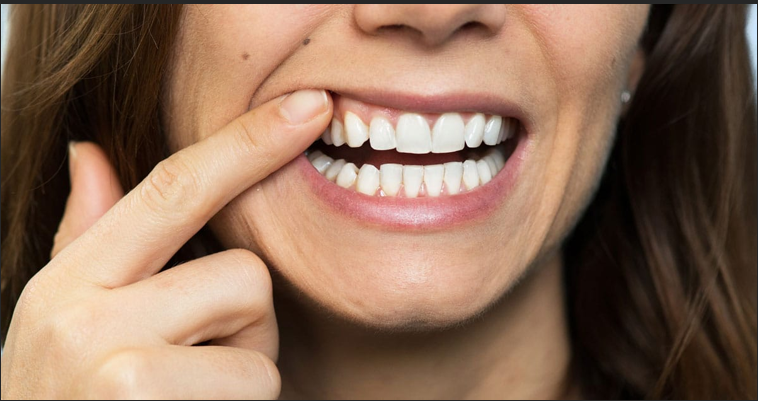
Healthy gums are generally light pink and firm. However, some people may experience discoloration of the gums, turning them purple, dark brown, or almost black. This condition, often referred to as "purple gums," frequently causes aesthetic concerns and necessitates investigation of the underlying causes. The discoloration may be genetic, but it could also be a sign of other oral health problems.
Changes in gum color should be considered a signal from the body. Therefore, it is important to analyze them correctly from both an aesthetic and health perspective.
Causes of Purple Gums
One of the most common causes of purple or dark gums is melanin pigmentation. Some individuals genetically have more melanin in their gums, causing them to appear darker. This type of pigmentation is usually harmless and considered purely an aesthetic issue.
In addition, gum inflammation (gingivitis and periodontitis) can also cause discoloration of the gums. Inflamed tissues may take on a darker, reddish, or purplish appearance. This is usually accompanied by symptoms such as bleeding, swelling, and tenderness.
Smoking is another significant factor causing discoloration of the gums. The chemicals in cigarettes lead to increased pigmentation in the gum tissue, and over time, purple or brown stains may form.
In rare cases, certain systemic diseases, medications, or circulatory problems can also cause changes in gum color. Therefore, the source of the discoloration should always be evaluated by a specialist.
How is purple gum treated?
The treatment method varies depending on the cause of the purple gums. If the discoloration is due to genetic pigmentation and the patient is aesthetically bothered by it, gum peeling can be performed. This procedure removes the dark pigments in the top layer of the gums, resulting in a lighter, pinker appearance.
In cases of discoloration due to gum disease, the inflammation must be treated first. Professional dental cleaning, root planing, and antibiotic treatment when necessary restore gum health. Once health is restored, the gum color usually returns to normal.
For pigmentation caused by smoking, the most effective solution is to quit smoking. Otherwise, the discoloration may recur after cosmetic procedures.
When Should You Consult a Dentist?
If you notice symptoms such as sudden discoloration of the gums, bleeding, swelling, or pain, you should consult a dentist immediately. Early diagnosis prevents the progression of potential gum diseases and makes treatment easier.
If the discoloration has been present for a long time and is aesthetically bothersome, a healthier appearance can be achieved with appropriate aesthetic solutions.
Result: Healthy Gums, Healthy Smile
While purple gums don't always indicate a serious health problem, they are something to be concerned about. When the underlying cause is correctly identified, effective solutions can be implemented for both health and aesthetic reasons.
This text is intended to provide general information. The appropriate treatment method for each patient may vary, and therefore, a dentist who is an expert in the field should be consulted. Before making any decision regarding dental health, it is of great importance that you have a detailed examination and consultation with your physician. These articles are for informational purposes only and are not intended to replace professional medical advice.


 by
