
 English
  Türkçe
  Français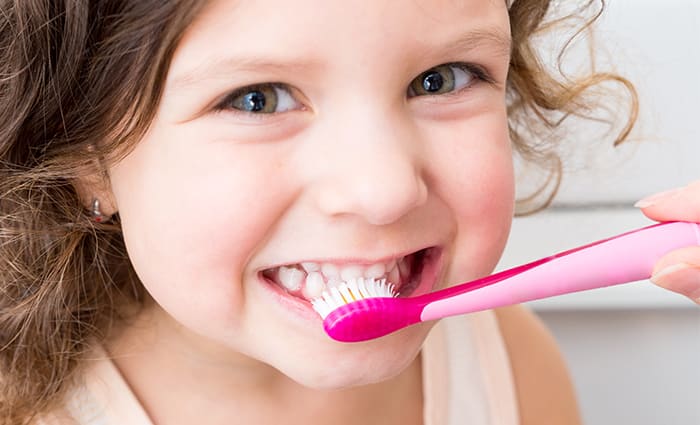
Teaching children to brush their teeth is a crucial part of healthy oral and dental development. However, simply giving a child a toothbrush is not the same as enabling them to clean their teeth effectively on their own. So when should a child brush their own teeth? Generally, children can be encouraged to brush their teeth themselves from a young age. However, parental support needs to continue until the child acquires the manual dexterity to clean their teeth effectively. According to the American Academy of Pediatric Dentistry, most children reach the stage where they can brush their teeth adequately without parental assistance at around 7 or 8 years of age.
At what age can a child brush their own teeth?
Children can be encouraged to brush their own teeth as soon as they are able to hold a toothbrush. Especially during the preschool years, a child's desire to brush independently should be supported. However, since hand-eye coordination and fine motor skills are not yet fully developed at this age, it may not be possible to clean all tooth surfaces adequately.
Therefore, the parent's role is to first allow the child to brush their teeth on their own and then to clean any areas that were missed. The AAPD recommends that children receive parental assistance or supervision with brushing until approximately 7 or 8 years of age. The ability to tie one's own shoelaces can be considered a practical indicator of a child's developing manual dexterity.
Age is not the only important factor here. While some children develop motor skills earlier, others may need more time. Therefore, it is more appropriate to decide that a child is ready to brush their own teeth based on the quality of their brushing.
How to Instill Proper Tooth-Brushing Habits in a Child?
It is important for children to view tooth brushing as a natural part of their daily routine rather than a chore. Brushing teeth after breakfast and before going to bed at night can be established as a regular habit. Using an age-appropriate toothbrush with a small head and soft bristles also makes brushing easier. Additionally, the amount of fluoride toothpaste used should be determined according to the child's age.
Parents can set a good example by brushing their teeth alongside their child. Brushing together—rather than simply asking, "Did you brush your teeth?"—can be far more effective, especially at a young age. Allowing the child to choose their own toothbrush or turning the two-minute brushing session into a fun routine can also boost motivation.
Additionally, regular dental check-ups are important to ensure the child is brushing their teeth effectively. Since children's oral and dental health needs can vary based on age and the risk of cavities, professional assessment helps in formulating personalized recommendations.
Frequently Asked Questions
- Can a 5-year-old child brush their teeth on their own?
The child can be encouraged to brush their own teeth, but parental supervision and support are generally required at this age. It is beneficial for the parent to clean any areas the child may have missed after the child has finished brushing. - How can I tell if the child can brush their own teeth?
The child's manual dexterity, ability to maneuver the toothbrush correctly, and capacity to adequately clean the front, back, and chewing surfaces of the teeth should be assessed. The ability to perform tasks requiring fine motor skills, such as tying shoelaces, serves as a helpful indicator. - Until what age should parents brush a child's teeth?
It is generally accepted that children may require parental support or supervision during the tooth-brushing process until around the age of 7 or 8. However, since every child develops differently, brushing ability should be taken into account rather than a specific age.
Proper guidance at an early age is of great importance for your child to develop healthy dental habits. Dental Estetik Centersupports the development of healthy habits by offering a professional approach to the examination and monitoring processes aimed at preserving children's oral and dental health.
This text is intended to provide general information. The appropriate treatment method for each patient may vary, and therefore, a dentist who is an expert in the field should be consulted. Before making any decision regarding dental health, it is of great importance that you have a detailed examination and consultation with your physician. These articles are for informational purposes only and are not intended to replace professional medical advice.


 by
by