
 English
 Türkçe
 Français
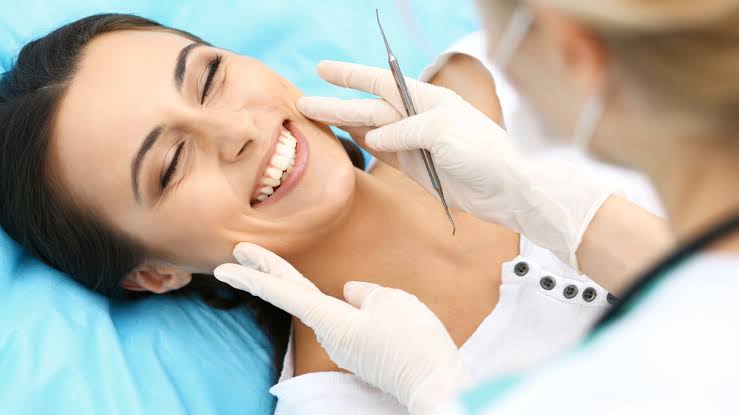
Studying abroad means learning to manage your daily life alongside your classes. While settling into your new home or preparing for exams, you may put oral care on the back burner. Yet a few sustainable habits and a check-up plan set in advance make it easier to keep track of your health. Your roadmap should consist of daily care, a personal examination schedule and the local health services you can reach when needed.
Your family frequently asking “Is there a problem with your teeth?” can sometimes feel tiring. Creating your own plan helps you take on responsibility and also helps them feel reassured with more concrete information.
Set up a routine you can follow every day
Basic care means brushing twice a day for about two minutes with fluoride toothpaste and cleaning between your teeth regularly. Adults generally use toothpaste containing 1350–1500 ppm fluoride. After brushing, it is recommended to spit out the excess toothpaste and not rinse with water immediately. You can choose dental floss or an interdental brush suited to your mouth together with your dentist.
Don't leave your care to motivation alone. Link your evening care to a specific habit and keep your toothbrush and interdental cleaning product within reach. Having a small care kit with you on long library days can also be practical. Review your habits of sipping sugary drinks or snacking frequently throughout the day.
Set your check-up schedule according to your own risk
The same check-up interval is not suitable for every student. Your dentist determines the time of your next examination by evaluating your gum condition, cavity risk and ongoing treatments. Adding the check-up date to your phone calendar and sharing your visits to Türkiye makes planning easier.
However, if your return date to Türkiye is further away, do not postpone a necessary examination. Identify a dentist you can visit in the city where you live in advance. Also find out the dental treatment coverage and application conditions of your student insurance.
Prepare a short health file
Keep the medications you use regularly, allergies, important dental treatments and clinic contact information at hand. When necessary, you can ask your dentist for a treatment summary and a copy of your existing records. Store this file securely; do not use links that anyone can access.
If speaking in a foreign language worries you, write down your complaint in short sentences before the appointment. Information such as when the pain started, in which situations it gets worse and whether the same tooth has been treated before makes the conversation easier. Don't hesitate to ask again for treatment explanations you don't understand.
Put your plan into action when a problem arises
When you have new pain, swelling, a fracture or an aligner fit problem, do not try to diagnose yourself. Contact your clinic and arrange the necessary local evaluation. In case of emergency symptoms such as difficulty breathing or swallowing, go directly to local emergency health services.
If you have clear aligners, a night guard or restorations, keep the special care and check-up instructions for them separately. Do not assume that a recommendation you found online is suitable for your treatment. When an in-person procedure is required, a video call is not a substitute for it.
Frequently Asked Questions
Is it possible to continue follow-up with my dentist in Türkiye?
Communication can be maintained through evaluation of past records and preliminary consultations; necessary in-person check-ups should be planned separately.
Should my family attend every consultation?
As an adult student, you decide this. If you wish, you can share the general outline of your care plan with them.
When speaking with Dental Estetik Center, share the city you live in, your current treatments and your return schedule. We can evaluate your daily care and follow-up needs in line with your personal circumstances.


 by
